Top Evidence-Based Strategies for Upper Extremity Recovery After Stroke
NeuroRehab Team
Tuesday, July 8th, 2025
Stroke can severely limit arm and hand function, affecting up to 80% of survivors early on and nearly 40% chronically. Restoring upper extremity movement is critical for independence and daily tasks — but which rehab methods actually work best?
A major systematic review analyzed over 5,700 studies to pinpoint the most effective, science-backed techniques for upper extremity stroke recovery. Here’s a clear breakdown for therapists, caregivers, and patients.
Dual Task Training for Older Adults: New Research Confirms Gains in Balance, Gait, and Confidence
NeuroRehab Team
Thursday, July 3rd, 2025
Many older adults lose confidence when walking in busy places or trying to do two things at once, such as talking and moving at the same time. This difficulty with “dual tasking” raises the risk of tripping, slowing down, or freezing in place — all of which can increase falls and limit independence.
Dual task training is an evidence-based method that teaches the brain and body to handle physical and mental challenges simultaneously. A recent randomized controlled trial (RCT) explored how adding dual task exercises to typical balance and gait therapy benefits older adults with mild balance or cognitive concerns.
Long-Term Stroke Recovery: New Study Shows Functional Gains Plateau After 6 Months
NeuroRehab Team
Tuesday, July 1st, 2025
Stroke recovery is often described as a race against time. The biggest improvements usually happen early — but a landmark European study shows that without the right strategies, functional gains can fade over time.
This multi-center study followed over 500 stroke survivors for five years, measuring how well they recovered motor skills and daily function. The results remind therapists, patients, and caregivers that recovery doesn’t stop at discharge.
Understanding Spasticity After Stroke: Causes, Treatment, and What Actually Helps
NeuroRehab Team
Thursday, June 26th, 2025
Spasticity affects up to one-third of stroke survivors, turning simple daily activities into frustrating struggles against stiff, uncontrollable muscles.
How to Maximize Stroke Recovery and Prevent Learned Non-Use
NeuroRehab Team
Tuesday, June 24th, 2025
Recovering from a stroke is a marathon, not a sprint. Yet the first few weeks, particularly during inpatient rehabilitation, often set the trajectory for long-term recovery.
Free CEU: Vagus Nerve Stimulation Improves Arm & Hand Function Following Chronic Stroke
NeuroRehab Team
Thursday, June 19th, 2025
Electrical Stimulationvagus nerve stimulation
What Is Vagus Nerve Stimulation?
Vagus Nerve Stimulation (VNS) uses a small, surgically implanted pulse generator placed under the chest skin. Electrodes connect to the vagus nerve in the neck. When patients perform targeted arm or hand movements, the device delivers precise electrical pulses. As a result, it activates the brain’s learning pathways and reinforces motor circuits.
Free Stroke Rehabilitation CEU: Using FES With Task-Specific Training
NeuroRehab Team
Tuesday, June 17th, 2025
Functional electrical stimulation (FES) has been used in stroke rehabilitation for decades. Yet outcomes vary widely depending on how and when it is applied.
Free Stroke Rehabilitation CEU: How Making Mistakes and Error Augmentation Training Drives Neuroplasticity
NeuroRehab Team
Thursday, June 12th, 2025
For decades, rehabilitation focused on reducing mistakes. Therapists were trained to guide, assist, and correct movement as quickly as possible.
But neuroscience has taught us something critical.
Errors are not the enemy of recovery. In many cases, they are the engine that drives it.
Understanding how mistakes influence learning has reshaped modern stroke rehabilitation and led to the emergence of approaches such as error augmentation training. These strategies intentionally allow, amplify, or manipulate errors to stimulate neuroplastic change.
This article explains why making mistakes matters after stroke, how error-based learning works, and how therapists can harness errors to improve recovery.
Why Mistakes Matter in Stroke Rehabilitation
After a stroke, the brain must relearn how to control movement, posture, and coordination.
Learning requires feedback. Errors provide that feedback.
When a movement attempt fails, the nervous system receives information about what did not work. This information is essential for refining future attempts and strengthening neural pathways.
Without errors, the brain has limited opportunity to adapt.
Neuroplasticity Thrives on Error-Based Learning
Neuroplasticity refers to the brain’s ability to reorganize itself in response to experience and practice.
Error-based learning is a powerful driver of neuroplastic change because it:
- Engages active problem-solving
- Enhances attention and motor planning
- Strengthens synaptic connections through feedback
- Encourages adaptive movement strategies
When patients are allowed to explore movement rather than being over-assisted, the brain is forced to adjust, recalibrate, and learn.
What Is Error Augmentation Training?
Error augmentation training intentionally increases or exaggerates movement errors to amplify sensory feedback.
This can be achieved through:
- Robotic resistance or force perturbations
- Visual distortions or altered feedback
- Task constraints that challenge accuracy
- Reduced physical guidance from the therapist
By making errors more noticeable, the nervous system becomes more responsive to correction and adaptation.
Mistakes vs. Maladaptive Movement
It is important to distinguish between productive errors and maladaptive movement patterns.
Productive errors occur when a patient actively attempts a task and learns from the outcome.
Maladaptive patterns occur when compensation replaces recovery and limits future potential.
Effective rehabilitation allows errors within a structured framework that still promotes quality movement and functional goals.
Motor Learning Principles Support Error-Based Training
Research in motor learning consistently shows that learning is enhanced when individuals:
- Actively attempt tasks
- Experience variable outcomes
- Receive feedback after performance
- Are challenged at an appropriate level
Error augmentation aligns with these principles by keeping patients cognitively and physically engaged in the learning process.
How Therapists Can Use Errors Therapeutically
Therapists do not need advanced technology to apply error-based learning principles.
Practical strategies include:
- Reducing physical assistance when safe
- Allowing patients time to problem-solve
- Using task constraints instead of verbal correction
- Encouraging multiple solution attempts
- Providing feedback after, not during, movement
These approaches shift therapy from correction-driven to learning-driven.
Why Avoiding Mistakes Can Limit Recovery
Over-guidance and constant correction can unintentionally reduce learning.
When the therapist solves every problem, the brain does not have to.
This can lead to:
- Reduced engagement
- Slower skill acquisition
- Limited carryover outside therapy
Allowing safe, purposeful mistakes helps transfer skills from the clinic to real life.
Error-Based Learning Builds Confidence and Independence
Beyond neurological benefits, learning through errors builds confidence.
Patients learn that they can try, fail, adapt, and succeed. This mindset is critical for long-term recovery and independence.
Recovery becomes an active process rather than a passive one.
Free CEU: Error Augmentation and Neuroplasticity in Stroke Rehabilitation
For clinicians who want to deepen their understanding of error-based learning and neuroplasticity, we offer a free continuing education course focused on modern stroke rehabilitation strategies.
The course explores:
- Error augmentation training principles
- Motor learning science in stroke rehab
- Clinical decision-making for safe challenge
- Practical application across therapy settings
Clinical Insights: Why It Works
EAT challenges the brain to actively adjust, making it a powerful driver of neuroplastic change. Instead of compensating for errors, patients learn to correct them on the fly—leading to meaningful, long-term improvements in function.
Implementing EAT in Practice
- Work with a skilled therapist or smart device that can amplify movement error.
- Incorporate EAT into both arm and gait training protocols.
- Use high repetition—minimally dozens per session—to reinforce learning pathways.
- Measure outcomes like Fugl-Meyer upper limb scores or gait symmetry to track progress.
Expand Your Neurorehab Toolkit
To explore Error Augmentation Training and other cutting-edge rehab strategies, enroll in our FREE CEU course here. Learn to harness the power of mistakes and drive robust neuroplastic outcomes—one corrective rep at a time.
FREE CEU: Early Motion, Better Outcomes: The Power of Motorized Arm Cycling in Stroke Recovery
NeuroRehab Team
Tuesday, June 10th, 2025
Early rehabilitation is critical after stroke—and motorized arm cycling is emerging as a highly effective intervention. By combining guided, repetitive movement with muscle activation, this approach strengthens motor recovery, reduces complications, and improves functional outcomes.
Free CEU: How Different Diseases Impact Attention
NeuroRehab Team
Sunday, June 8th, 2025
Attention is a finite cognitive resource that becomes especially vulnerable when other systems falter. Across neurological and systemic conditions, the brain often compensates for deficits in processing, sensation, or memory by reallocating attentional resources—leading to fatigue, errors, and cognitive overload.
Free Neuroplasticity CEU: How the Brain Rewires After Stroke
NeuroRehab Team
Saturday, June 7th, 2025
Stroke recovery does not happen because damaged brain tissue magically heals. It happens because the brain adapts.
This adaptive process is known as neuroplasticity. Neuroplasticity is the brain’s ability to reorganize, form new connections, and assign new roles to undamaged areas in response to injury, experience, and neurorehabilitation after stroke.
Free Vision Rehabilitation CEU for Occupational Therapists
NeuroRehab Team
Saturday, June 7th, 2025
Vision plays a critical role in nearly every daily activity. Reading, cooking, navigating a room, managing medications, and driving all depend on the brain’s ability to interpret visual information accurately and efficiently.
Why Therapists Aren’t Utilizing Biofeedback as Often as They Should
NeuroRehab Team
Wednesday, August 28th, 2024
Introduction
Biofeedback is a powerful therapeutic technique that provides patients with real-time information about their physiological processes, empowering them to actively monitor and regulate their own bodily functions. Yet, despite its proven benefits, biofeedback remains significantly underutilized in the therapy world. In this comprehensive article, we’ll explore the reasons behind this underutilization and uncover the compelling advantages that make biofeedback a must-have tool in every therapist’s arsenal.
CEU: Improving Dynamic Balance After Neurological Injury
NeuroRehab Team
Thursday, May 11th, 2023
Improving Dynamic Balance Following Neurological Injury
Overview:
This AOTA approved continuing education class will introduce you to efficacous evidence-based interventions that drive neuroplastic change resulting in improved balance following neurological injury.
Stroke Hand Simplified: Evidence-Based Strategies for Better Recovery
NeuroRehab Team
Friday, March 10th, 2023
Restore • Rewire • Recover — Proven Approaches for Upper Limb Function
👉 Register Now
Salia Rehab is proud to be an AOTA Approved Provider of high-quality professional development.
Course Approval ID: #6686
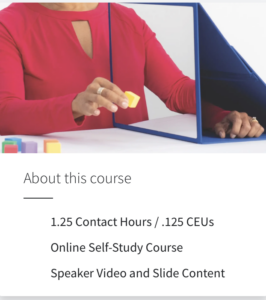
This online, self-paced activity offers 0.125 CEUs (1.25 contact hours) and is designed for occupational therapists, physical therapists, assistants, physicians, and other rehab professionals who directly treat clients recovering from stroke.
Please note: The assignment of AOTA CEUs does not imply endorsement of specific course content, clinical methods, or products by AOTA, nor does it indicate AOTA’s approval of a certification or other professional recognition.
Course Overview
This evidence-based online CEU will teach you the most effective interventions proven to promote neuroplasticity and restore meaningful hand and arm function after a stroke. You’ll learn practical techniques to break learned nonuse, encourage active movement, and help patients maximize recovery.
Participants have 90 days to complete this intermediate-level course and must achieve an 80% passing score on the quiz to earn their certificate.
What You’ll Learn — Learning Outcomes
- Analyze recent stroke outcome data and key recovery trends.
- Explain the difference between the umbra and penumbra and how each impacts brain recovery after stroke.
- Identify how learned nonuse limits upper limb function and how to overcome it in therapy.
- Differentiate interventions that do and do not drive meaningful neuroplastic change.
Key Questions Answered
- What spontaneous recovery mechanisms naturally occur after stroke?
- Which factors best amplify neuroplasticity and recovery?
- How does learned nonuse develop and how can it be reversed?
- What treatment strategies produce the best functional gains for the hand and arm?
Ready to level up your upper limb rehab skills?
👉 Click here to register for Stroke Hand Simplified and gain practical, evidence-based strategies you can apply immediately.
6 Tips to Build Trust with Stroke Patients
NeuroRehab Team
Friday, March 3rd, 2023
Suffering from a neurological injury such as stroke can be a long and hard battle. Having the right team in place can make a significant impact on the success of one’s recovery. Being comfortable with one’s clinical team can set patients up for great success. Health professional building that immediate trust is key to a positive outcome.
Stroke Therapy Research. What works?
NeuroRehab Team
Friday, January 13th, 2023
Arm and HandElectrical StimulationHand Function SplintsMental PracticeMirror TherapyNeuroplasticityStroke Statistics
Every 2.1 seconds, someone in the world suffers a stroke. Stroke is the #1 cause of long-term disability worldwide. Globally, there are over 15 million stroke survivors. With respect to the United States, there are approximately 5.1 million stroke survivors alive today in the US. It is the third leading cause of death in USA and the numbers are expected to double by 2030.
Free Constraint-Induced Movement Therapy CEU Course for OT’s
NeuroRehab Team
Wednesday, December 28th, 2022
Course Title:
Constraint-Induced Movement Therapy. Understanding the Facts and Myths.
Overview:
This AOTA approved online self-study continuing education class will introduce you to evidence-based practice surrounding Constraint-Induced Movement Therapy to the stroke population.
The online class is intended for medical professionals (e.g. OT/OTA, PT/PTA, Physicians, etc.) directly related to the rehabilitation of a patient or client. To participate in this CEU and receive credit, the participant must be a licensed, treating clinician. Completion of this course will reward the participant with .1 CEUs or 1 contact hour, following completion of the presentation and a ≥80% score on the quiz. You will have 90 days to complete this course.
Free Online CEU Electrical Stimulation Course for OT’s
NeuroRehab Team
Monday, December 26th, 2022
Course Title:
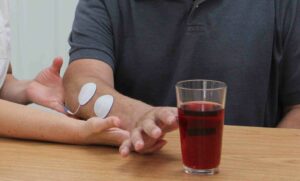
Electrical Stimulation for Stroke Recovery. A review of evidence-based clinical considerations.
Overview:
This AOTA approved online self-study continuing education class will introduce you to evidence-based practice surrounding electrical stimulation to the stroke population.
The online class is intended for medical professionals (e.g. OT/OTA, PT/PTA, Physicians, etc.) directly related to the rehabilitation of a patient or client. To participate in this CEU and receive credit, the participant must be a licensed, treating clinician. Completion of this course will reward the participant with .1 CEUs or 1 contact hour, following completion of the presentation and a ≥80% score on the quiz. You will have 90 days to complete this course.
Stop Learned Non-Use to Improve Stroke Recovery
NeuroRehab Team
Wednesday, December 21st, 2022
If one asked 10 new stroke survivors the following question, what do you think they would say?
“Would you rather spend most of your time learning compensatory one-handed strategies with your unaffected side, or would you rather focus on improving strength, range of motion and function in your affected limb?” That’s a big question.
Stroke Shoulder Online CEU Course Now Available
NeuroRehab Team
Thursday, December 8th, 2022
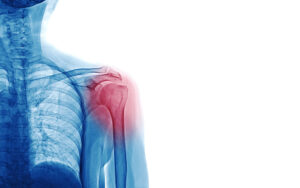
Stroke Shoulder Simplified.
Demystifying subluxation, pain and stiffness.
Robotic Therapy for Stroke. Is it Overrated?
NeuroRehab Team
Friday, December 2nd, 2022
Robot-assisted therapy has become increasingly popular over the last 2 decades. In fact, it is so well-known that out of the 1,300 RCT’s in UE stroke recovery, robotic research leads the pack with 112 RCT’s! There is no doubt robotic therapy, in some form or fashion, is here to stay, however is it a MUST-HAVE or a NICE-TO-HAVE intervention?
Online Shoulder Stroke/Neuro Occupational Therapy CEUs
NeuroRehab Team
Saturday, November 26th, 2022
Shoulder pain resulting from stroke hemiplegia is a common clinical consequence. Hemiplegic shoulder pain can occur as early as two weeks post-stroke but an onset of two to three months is more typical. Frozen shoulder, pain and weakness can negatively affect rehabilitation outcomes as good shoulder function is a prerequisite for successful transfers, maintaining balance, effective hand function, and performing ADL’s activities of daily living.
Should You Strengthen Spastic Muscles After Stroke? What the Research Actually Says
NeuroRehab Team
Wednesday, November 23rd, 2022
Great question—and the answer is ABSOLUTELY!
For many clinicians, the idea of strengthening spastic or hyperactive muscles in stroke survivors has long been controversial. The thought of asking a patient to squeeze a spastic hand or flex a tight bicep can make some therapists cringe. Historically, such interventions were discouraged, often based on tradition and outdated clinical beliefs rather than scientific evidence.
Outdated Assumptions About Spasticity and Strength Training
Early in their careers, many therapists were advised not to “trigger abnormal movement patterns” in patients with hemiparesis. Strengthening hyperactive muscles was thought to increase spasticity, reinforce abnormal synergies, and even cause pain. But this guidance was based on anecdote, not data—passed down from one generation of clinicians to the next, without being questioned.
The reality is this: these warnings had no research backing them. They were based on assumptions and fear, not evidence.
What the Evidence Tells Us Now
Fast-forward to today, and a wealth of research supports strength training for individuals with spastic hemiparesis. According to the Evidence-Based Review of Stroke Rehabilitation (EBRSR), 33 randomized controlled trials (RCTs) have evaluated strength training for upper extremity motor recovery. The findings? Strength training is beneficial—and none of the studies concluded that it increased spasticity or pain.
In fact, strengthening programs were associated with improved function, greater independence, and better motor outcomes. As with all therapy, dosage and technique matter, but the research overwhelmingly supports strength training as a safe and effective intervention post-stroke.
From Old-School Theory to Modern Science
The neurorehabilitation landscape has shifted dramatically over the past two decades. We’ve moved away from concepts like:
- Avoiding contact on the palmar surface of a spastic hand
- Overemphasis on tone-reduction modalities
- Avoiding strengthening in fear of “reinforcing” spasticity
And we’ve embraced interventions supported by science, such as:
- Repetitive task-specific training
- Constraint-Induced Movement Therapy (CIMT)
- Functional strength training and resistance exercises
Studies by Patten, Butefisch, Sharp, Teixeira-Salmela, and Wolf have all demonstrated the benefits of these modern strategies. These techniques don’t just improve strength—they promote true neuroplastic change and real-world functional gains.
Spasticity vs. Weakness: A Critical Distinction
One of the most important shifts in perspective has been recognizing that muscle weakness—not spasticity—is often the primary barrier to movement. While spasticity can create resistance, studies show that focusing on reducing tone alone does not lead to improved function. On the other hand, targeting strength deficits often leads to better control, improved coordination, and enhanced use of the affected limb.
Research by Harris, Ada, and Patten supports this modern approach: treat weakness first.
The Future of Neurorehabilitation
Occupational therapy has come a long way. As the profession celebrates more than 100 years of evolution, AOTA’s Centennial Vision continues to ring true: “Occupational therapy is a powerful, science-driven, and evidence-based profession.” And nowhere is that more evident than in the ongoing transformation of stroke rehabilitation practices.
As we adopt smarter technology, more robust clinical trials, and modern protocols, we empower therapists and stroke survivors alike to pursue outcomes that were once thought impossible. The goal is no longer just compensating—it’s recovering.
Final Thoughts
Strengthening spastic muscles after stroke is not only safe—it’s necessary. The evidence is clear, and the tools are available. Let’s continue to challenge outdated ideas, embrace evidence-based care, and give every stroke survivor the opportunity to achieve their fullest potential.
How to Choose the Best Stroke CEU Course: 3 Red Flags to Avoid
NeuroRehab Team
Saturday, November 19th, 2022

Stroke recovery is a hard and long journey for most patients. There are therapists that “treat neuro patients” and then there are “neuro therapists”. In order for a patient to reach maximum potential with their rehab journey, they will need a clinician that understands, appreciates and knows the neurorecovery process.
Stroke Plateaus are Not Permanent
NeuroRehab Team
Friday, November 18th, 2022
Hand Function SplintsNeuroplasticity
There is no expiration date on neuroplasticity.
Just like athletes and musicians, many stroke survivors will have periodic and temporary plateaus or setbacks as they continue to improve. It is a back-and-forth process. Improve a little, then a plateau occurs. Modify the training and improve some more. Then, here comes another plateau. Modify again. You get the idea.
Occupational Therapy – OT CEUs
NeuroRehab Team
Wednesday, November 16th, 2022
Occupational Therapy CEUs!
Occupational Therapy (OT) CEU’s are part of the necessary requirements to maintain one’s license. In addition, a clinician may seek out paid or free continuing education classes (CEU) to advance his or her knowledge and skill set.
Improve Results Following Stroke with These Simple Steps.
NeuroRehab Team
Monday, November 14th, 2022
Mental PracticeMirror TherapyNeuroplasticitypriming
Priming the Brain Works.
Better clinical outcomes following stroke are associated with interventions such as cortical priming resulting in increased excitability of the motor cortex (Catano et al).
Priming is a technique used to enhance the brain’s ability to re-balance the 2 hemispheres following a stroke. Priming interventions include invasive and non-invasive techniques and can be administered prior to or during therapy.
The Best Way to Treat Shoulder Subluxation
NeuroRehab Team
Friday, November 4th, 2022
Electrical Stimulationshouldersubluxation

The shoulder is the most complicated joint in the human body. It’s also one of the most difficult aspects of recovery for hemiplegic stroke survivors.
Why?
Be Like Mike. Mental Practice Improves Stroke Arm and Hand Weakness.
NeuroRehab Team
Friday, October 28th, 2022
Mental PracticeNeuroplasticity
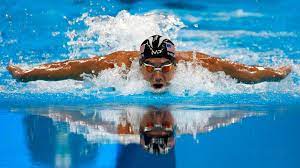
Be Like Mike.
Before each race, Michael Phelps, the 28-time Olympic medalist, would sit quietly and perform mental reps, imagining his performance step-by-step.
Stroke Survivors Should Look in the Mirror – Daily.
NeuroRehab Team
Friday, October 14th, 2022
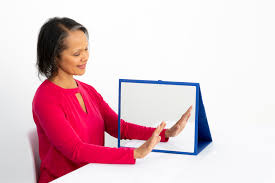
Stroke survivors are beautiful and handsome heroes. But it’s not about vanity – it’s about recovery. Mirror Therapy (MT) is a critical intervention – yet vastly underutilized.
Rewiring the Brain After Stroke: The Science of Neuroplasticity and Why Reps Matter
NeuroRehab Team
Friday, October 7th, 2022
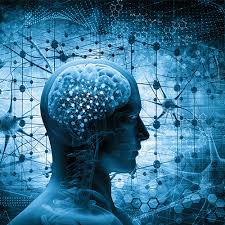
The human brain is one of the most fascinating and complex organs in the body. It houses over 100 billion neurons and forms more than 200 trillion synaptic connections. During a stroke, approximately 32,000 neurons die every second, totaling nearly 1.2 billion neurons lost in a typical event. While this may sound catastrophic, it represents only about 1% of the brain’s total neurons.
That means 99% of the brain remains intact. And with the right approach, it can compensate, adapt, and heal.
The Breakthrough of Neuroplasticity
In the 1980s, renowned neuroscientist Dr. Michael Merzenich helped prove that the adult brain is not hardwired—contrary to what many believed. His groundbreaking work revealed that the brain is capable of reorganizing itself by forming new neural connections, a phenomenon known as neuroplasticity.
This discovery has completely shifted our understanding of stroke rehabilitation. Rather than focusing on what was lost, modern therapies focus on what can be rewired.
Why Many Traditional Stroke Therapies Fall Short
Unfortunately, many conventional stroke rehab models abandon patients too early—long before neuroplasticity has had a chance to take hold. Standard clinical tests may not detect subtle signs of brain rewiring, such as micro-movements or emerging motor patterns.
As a result, therapy may be prematurely deemed ineffective, when in fact, the brain is just beginning to change. This is one of the greatest oversights in traditional care.
Repetition: The Catalyst for Rewiring
If you’re a clinician, ask yourself: “What did I do in today’s 45-minute session to truly drive neuroplasticity?” The typical therapy session includes only about 30 repetitions. Research suggests that it takes at least 300–400 quality reps per session to begin meaningful rewiring of the brain.
Consider sports training, music practice, or skill development. A baseball pitch, a piano scale, or an ice-skating spin takes thousands of reps to master. Stroke rehab is no different. Every repetition leaves a neurological footprint—a pathway for the next rep to follow. Over time, these paths become stronger, faster, and more automatic.
Time to Rethink Outdated Approaches
With today’s evolving technology and research-backed tools, we must challenge traditional concepts that no longer serve patients. Many old-school therapy methods—especially those unsupported by evidence—need to make way for protocols that prioritize repetition, engagement, and science-based strategies.
Therapists must be bold enough to ask, “Is this intervention truly helping my patient move forward?” If not, it’s time to pivot.
Learn More About the Soft-Wired Brain
Whether you’re a stroke survivor, a caregiver, or a rehab professional, we highly recommend exploring Dr. Merzenich’s book: Soft-Wired: How the New Science of Brain Plasticity Can Change Your Life. It offers an accessible and inspiring look at how neuroplasticity works and what it means for recovery.
Rewiring the brain doesn’t happen overnight. It takes effort, consistency, and intelligent therapy. But it does happen—one rep at a time.
If you’re ready to embrace evidence-based therapy that unlocks the brain’s potential, make sure your approach is grounded in science, driven by repetition, and focused on lasting functional gains.
Fall Prevention After Stroke | Safety & Recovery Tips
NeuroRehab Team
Sunday, August 22nd, 2021
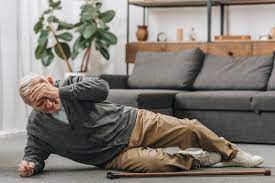
Falls can happen anytime and anywhere to people of any age. However, as people get older, or suffer neurological injuries such as stroke, the number of falls and the severity of injury resulting from falls increases. Taking precautions to prevent falling after stroke can help save a life. Falling is the leading cause of accidental home deaths, and they are a major reason for 40% of admissions to nursing homes.
Constraint-Induced Movement Therapy (CIMT) for Stroke Therapy
NeuroRehab Team
Saturday, June 26th, 2021
Constraint-Induced Movement Therapy (CIMT) is a form of treatment designed to decrease the impact of a stroke on the upper-limb (UL) function of some stroke survivors. It is a behavioral approach to neurorehabilitation[2] based on “Learned- Nonuse”.
NIH Stroke Scale (NIHSS) | Stroke Severity Assessment
NeuroRehab Team
Friday, January 22nd, 2021

National Institutes of Health Stroke Scale (NIHSS) is a clinical tool that measures stroke-related neurologic deficits. This measure can be quantified. NIHSS is used in modern neurology for three main objectives;
- to evaluate the violence of stroke to its patients and document the neurological status of the patients.
- To determine the treatment to be administered to patients by planning the appropriate patient care and act as a common language for the exchange of information understood by healthcare providers.
- To predict the outcome of the patient from the illness, both long and short term outcomes. It can also indicate a lesion size and be a measure of stroke severity.
Stroke Survival Statistics: Key Facts To Know
NeuroRehab Team
Wednesday, December 23rd, 2020
Stroke Statistics
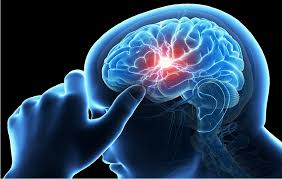
Stroke is among the leading causes of severe long-term disabilities. It reduces mobility in more than 50% of its patients who are aged 65 and above. According to NINDS, 15-30% of patients develop a permanent physical disability while most patients regain their hands and legs’ functionality. Symptoms associated with stroke vary from dizziness, fatigue, blurred vision, slurred speech, fatigue, and numbness. However, according to a survey done, only 38% of the respondents knew the stroke’s significant symptoms. The most recognized sign by 98% of the respondents was numbness on one side. Knowing these symptoms is crucial because it can reduce disability in patients. Those who start receiving treatment three hours after the first symptom show less disability than those who receive delayed care.
How Many Repetitions are Needed for Stroke Recovery and Neuroplasticity?
Lynette Diaz, COTA/L
Tuesday, June 9th, 2020
How many repetitions does it take to create changes in the brain? How many repetitions must one complete before movement is strong, volitional and functional? Research indicates the number is high and the answer is more complex than we may think. Factors to be considered are, quality of repetitions, attention during repetitions, number of joints involved in movement, area of injury in the brain to name a few. It would stand to reason the more complex a movement is the more repetitions would be required.
Rewiring the Brain Through Gratitude
Lynette Diaz, COTA/L
Monday, June 8th, 2020

Attitude of Gratitude.
After experiencing a traumatic injury such as a stroke, it may be hard for many people to perceive daily things in a positive light. After all, life is not what it was before. Many stroke survivors go from an independent lifestyle to depending on a loved one. It is evident to see how there is not much room for positive thought.
What You Need to Know About the Stroke Recovery Timeline
NeuroRehab Team
Wednesday, February 19th, 2020
Arm and HandContracture SplintElectrical StimulationHand Function SplintsMental PracticeMirror TherapyNeuroplasticityStretchingSubluxation Slings

You are eager to return to your normal life, so you are ready to learn more about the typical timeline for recovery after a stroke. Keep reading to get some answers to common questions:
- Am I going to get better after my stroke?
- How long is rehab after a stroke going to take?
- What can I do to help my stroke recovery?
Walking After Stroke | Recovery, Therapy & Safety Tips
NeuroRehab Team
Saturday, January 25th, 2020
Electrical StimulationFoot Drop BraceLegMobilityNeuroplasticity
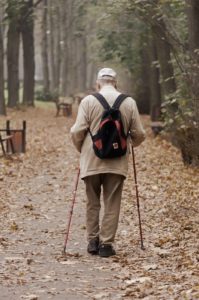
A stroke can impact any number of life skills. But the ability to walk can be one of the most significant. Many people identify walking as an important goal after they experience a stroke. This makes sense because walking is related to so many daily routines. Every stroke survivor is different. Some stroke survivors might need help to walk a few feet. Other individuals might recover significantly and be able to walk long distances. This article will provide post-stroke walking education for a range of skill levels.
Hand Exercise After Stroke | Build Strength & Coordination
NeuroRehab Team
Tuesday, January 14th, 2020
Exercise AidsFine Motor CoordinationStrengthening
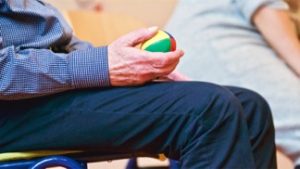
Launching a hand exercise program begins with understanding how a stroke that happens in your brain can cause problems with your hand. A stroke is basically an injury to the brain due to limited blood flow. The symptoms in the body reflect the area of injury in the brain. So a stroke survivor with hand issues, experienced an injury to the area of the brain that controls the hand.
Improving Sleep Apnea Helps With Stroke Recovery
NeuroRehab Team
Thursday, December 26th, 2019
Sleep Apnea is a known risk factor for stroke and new research suggests that curbing the condition might also aid the recovery of people who’ve suffered a stroke or mini-stroke. New research shows that, among stroke patients, “treatment of sleep apnea with CPAP therapy provides significant benefits, even greater than the benefits of tPA, the FDA-approved drug treatment for stroke,” said study lead researcher Dr. Dawn Bravata.
10 Must-Read Stroke Recovery Books
NeuroRehab Team
Wednesday, December 25th, 2019
When suffering from a brain injury such as stroke, a sense of hopelessness, frustration and vulnerability can occur. Don’t be alone on your journey to recovery! Below are excellent books that provide immense insight into stroke recovery. Click on any of the links for more information.
Adaptive Clothing Tips for Stroke Survivors
NeuroRehab Team
Monday, December 23rd, 2019
Getting oneself dressed is a critical part of being a fully independent person. For a person who has had a stroke, getting dressed can help feel more normal again. This can really help to boost both mood and self esteem.
The tips below will help both the stroke patient and the caregiver make dressing an easier part of the daily routine:
Are You Overstretching Your Spastic Muscles?
Lynette Diaz, COTA/L
Monday, December 23rd, 2019
Stretching can be a very important part of recovery especially following a stroke, when feeling, sensation and movement are returning to a previously flaccid limb. However, is it possible to stretch too much or too hard? Yes it is.
Clinicians frequently see patients handle their affected limbs rather aggressively in an effort to “make it move” or “get it loose”, often stretching their fingers, wrist, elbows and shoulders too far too fast. This may partly be due to lack of sensation or awareness.
Stroke Home Therapy Products Available on Amazon
NeuroRehab Team
Saturday, December 21st, 2019
Stroke survivors often struggle to regain full use of their affected side. Below are a just a few of the available products on Amazon that can help with improving more recovery at home. Whether you are hoping to improve your arm and hand strength or looking for better results with your walking and endurance, the good news is that you can find excellent products for very low prices. Just take a look below and click for more information.
8 Helpful Adaptive Stroke Equipment Ideas To Improve Independence
NeuroRehab Team
Thursday, December 19th, 2019
Adaptive equipment helps stroke patients experience greater independence with everyday life skills or activities of daily living. There is a plethora of assistive devices for all areas of self care including dressing, bathing, grooming, cooking, feeding, toileting, and mobility aids.
Improve Balance With These 5 Affordable Therapy Products
NeuroRehab Team
Tuesday, December 10th, 2019
Decreased balance is a common area affected by stroke. Many patients are prone to falling which could lead to serious injuries. Studies have shown that stroke survivors are twice as likely to fall following a stroke and more than three times as likely as the general population to fall multiple times. About 40 percent of stroke survivors have serious falls within a year of their stroke.
Muscle Tone Following Stroke
Dorothee Zuleger, MOT, OTR/L, DRS
Thursday, November 21st, 2019
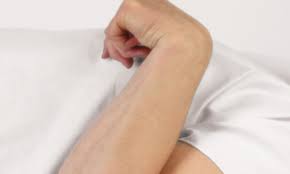
Following a stroke, abnormal muscle tone is a common complication. A single muscle or a muscle group may become completely paralyzed. This is known as hypotonic or flaccid or a muscle may increase in muscle tone. This is known as hypertonic or spastic. This abnormal tone usually occurs in the side of the body opposite to the side of the brain lesion.
Returning Home Following a Stroke: Helpful Tips for Modifying Your Kitchen.
NeuroRehab Team
Saturday, November 2nd, 2019
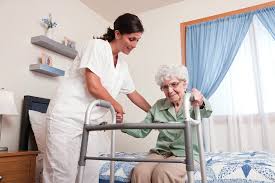
When a stroke patient returns home, the home environment can impact a person’s recovery. The home includes the social and cultural environment such as the people who live there, as well as the physical aspects of the home such as steps and layout. It is important that the home environment be one that supports continuing recovery and safety for the patient. This article is intended to provide basic information to stroke survivors and their families about potential problems with the physical aspects of the kitchen.