Top 7 Stroke Apps for Cognitive Deficits
NeuroRehab Team
Thursday, September 29th, 2016
AppsCognitionmemoryNeuroplasticity
Damage to the brain after a stroke can cause many cognitive changes. Doing things that once were easy may now be hard. Problems with memory and thinking are very common after a stroke and most people will have some difficulties. After a stroke, cognitive rehabilitation can aid the mind just as physical therapy aids the body, according to Psych Central, an online mental health and psychology network. The purpose of cognitive therapy is to improve damaged mental abilities and language skills caused by a stroke.
Where to find Shoulder Subluxation Treatment Options?
NeuroRehab Team
Tuesday, September 20th, 2016
Electrical StimulationshoulderSubluxation Slings

One of the most common areas often affected by a neurological injury is the glenohumeral joint (i.e., shoulder). The shoulder complex is a very sophisticated and complicated joint in the body. It consists of 20 muscles, 3 bones, 3 joints, and 1 articulation. It has the greatest ROM of any joint in the body but at the expense of stability.
Leg and Mobility Neuro Stroke Courses
NeuroRehab Team
Tuesday, September 13th, 2016
Are you caught up with the latest advances in neurorehabilitation? Find relevant stroke neuro courses below to be sure.
Top Stroke Treatment and Technology To Improve Recovery and Function.
NeuroRehab Team
Wednesday, September 7th, 2016
Arm and HandCommunicationLegNeuroplasticityVision
Following an extensive search of 100’s of stroke rehabilitation products and programs, we have summarized the best available products currently on the market for stroke recovery. The products are organized into relevant categories list below. Feel free to click on any category to see a list of products that may be appropriate for your needs.
Upper Extremity Stroke Rehab CEU’s.
NeuroRehab Team
Monday, August 29th, 2016
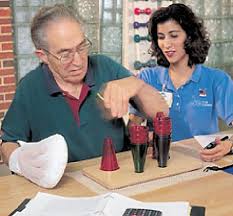
Stroke Recovery By The Numbers
Arm and hand recovery continues to be a major problem following neurological injury. According to scientific data, fifty-percent of stroke survivors are likely to regain some functional use of the upper limb (Broeks JG et al. Disabl and Rehabil, 1999).
Find Arm and Hand NeuroRehab Courses
Forty-one percent of all patients had limited hand use at 3 months and 45% at 18 months after stroke (Welmer AK et al. J Rehabil Med, 2008). At 6 months post stroke, some dexterity was found in 38% and complete functional recovery was seen in 11.6% of patients (Kwakkel G et al. Stroke, 2003).
The latest research shows that the brain is capable of rewiring and adapting after stroke. To improve function in the upper limb, the client must be willing to incorporate the affected side purposefully, functionally, and repeatedly. In addition to functional training, other evidence-based strategies include strength training, mental imagery, robotics, and gravity compensation.
The American Occupational Therapy Association's (AOTA's) Approved Provider Program (APP) assists occupational therapy practitioners (OTPs) and state licensing boards to ensure professional development activities reflect evidence-informed, occupation-centered practice. AOTA Approved Providers demonstrate they have the systems, policies, procedures and educational practices in place to adhere to the APP Guidelines and Criteria.
The above courses are evidence-based courses that review the latest information when it comes to stroke recovery. To search for stroke rehab exercise tools, visit here get started.
Helpful One-Handed Strategies for Personal Care ADL Tasks.
NeuroRehab Team
Monday, August 29th, 2016
CEU'sSelf-Care Activities (ADL)
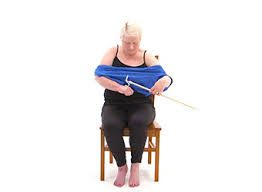
Occupational therapists advise and counsel clients on strategies to increase functional independence and improve quality of life. Many occupational therapists struggle with knowing how to demonstrate adaptive strategies to clients who have suffered loss of one hand or loss of function of one hand to complete functional activities.
New Online Stroke/Neuro CEU Courses Now Available.
NeuroRehab Team
Wednesday, August 24th, 2016
Arm and HandCEU'sCognitionCommunicationDysphagiaLegVision
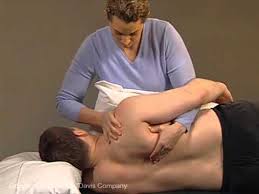
Now more than ever, occupational, physical and speech therapists are relying on evidence-based treatment to provide maximum outcomes for clients suffering from stroke and other neurological injuries. Get up-to-date with the latest advances in stroke/neuro treatment by enhancing your skills through continuing education courses.
Listed below are links to online training categorized into key groups. Feel free to click on the link to learn more about available courses.
Occupational Therapy and Stroke. The Role of an Occupational Therapist.
NeuroRehab Team
Saturday, August 20th, 2016
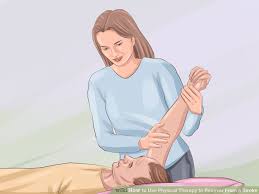
Individuals suffering from stroke may have difficulty with activities of daily living (ADL) such as grooming, dressing, managing a household, and with performing familiar roles (e.g., parent, spouse, employee). According to the American Occupational Therapy Association (AOTA), occupational therapy practitioners address the physical, cognitive, and emotional challenges brought on by a stroke, and they can help stroke survivors engage in the things they want and need to do. The following tips are from occupational therapy practitioners who work with people recovering from a stroke.
10 Apps That Assist Stroke Patients With Vision Loss.
NeuroRehab Team
Monday, August 15th, 2016
AppsNeuroplasticityVisionVisual Aids
Most people who have decreased vision or double vision after a stroke do not fully recover. Some recovery is possible and it usually happens in the first few months after a stroke.
Pay it Forward. Sometimes the best medicine is good advice.
NeuroRehab Team
Sunday, August 7th, 2016

Help patients, families, and clinicians make the best decisions based on your feedback.
Excitement is building with new web-based platform, neurorehabdirectory.com, a free online resource dedicated to assisting stroke patients, families and health professionals with identifying appropriate stroke therapy products and programs. Traditional online medical websites are either out-of-date, difficult to navigate or sponsored by manufacturers. Neurorehabdirectory.com free web-based platform was developed to help individuals seamlessly search for total body stroke rehab treatment solutions and programs in an impartial way.
Stroke patients in wheelchairs able to walk again after stem cell transplant.
NeuroRehab Team
Saturday, July 23rd, 2016
LegMobilityNeuroplasticityStem Cell
Foot Drop Following Stroke. What are the Treatment Options?
NeuroRehab Team
Friday, July 15th, 2016
Electrical StimulationFoot Drop Brace
The National Institute of Neurological Disorders defines foot drop, also known as dropped foot or drop foot, as “the inability to raise the front part of the foot due to weakness or paralysis of the muscles that lift the foot.” Consequentially, people who have foot drop scuff their toes along the ground; they may also bend their knees to lift their foot higher than usual to avoid the scuffing, which causes what is called a “steppage” gait.
Electrode Placement Guide for Stroke Recovery: Upper & Lower Limb
NeuroRehab Team
Tuesday, July 5th, 2016
Electrical StimulationElectrode Placement
The Complete Electrode Placement Guide for Stroke Recovery: Upper & Lower Limb
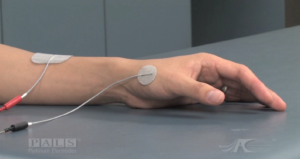
Electrical stimulation, often referred to as e-stim, NMES (neuromuscular electrical stimulation), or FES (functional electrical stimulation), has become a cornerstone intervention in modern stroke rehabilitation. When used correctly, it can help stroke survivors regain movement, improve strength, reduce spasticity, and restore functional use of affected limbs. When used incorrectly, however, it can produce minimal results, discomfort, or frustration for both patients and clinicians.
That difference often comes down to one overlooked variable: electrode placement.
Stroke recovery is not simply about turning a device on and hoping muscles respond. It is about delivering precise, intentional stimulation to the right muscles at the right time in the recovery process. Proper electrode placement ensures that electrical stimulation targets the correct motor points, activates the intended muscle groups efficiently, and reinforces meaningful brain-muscle connections that drive neuroplastic change.
For stroke survivors, especially those with weakness, paralysis, or abnormal muscle tone, this precision matters. Poor placement can lead to inefficient contractions, rapid fatigue, or compensatory movement patterns. Accurate placement, on the other hand, can make electrical stimulation feel smoother, more comfortable, and far more effective, even at lower intensities.
Neuro90 — Free Hand Recovery App
Need a structured daily hand exercise program?
One guided hand exercise every day for 90 days, completely free. Mirror therapy, mental practice, rep tracking, and video progress checks are all built in.
In this guide, we will break down:
-
How electrical stimulation supports stroke rehabilitation
-
Why electrode placement is the key to maximizing results
-
Practical tips to improve comfort, efficiency, and outcomes
-
Common muscle groups treated with e-stim after stroke
Whether you are a therapist refining your clinical technique or a stroke survivor exploring electrical stimulation as part of a home program, understanding electrode placement is essential for getting the most out of this powerful rehabilitation tool.
Electrode Placement: The Key to Effective E-Stim Therapy
The effectiveness of e-stim largely depends on one crucial factor: proper electrode placement. If electrodes are not placed accurately over the motor points of the targeted muscles, the stimulation may be uncomfortable, inefficient, or entirely ineffective.
Motor points are the locations where the motor nerve enters the muscle, and targeting these spots ensures that the muscle contracts with the least amount of electrical current. Proper placement enhances comfort, maximizes efficiency, and reduces fatigue.
Tips for Optimal Electrode Placement:
- Use muscle charts or motor point maps as a guide
- Clean and prepare the skin to improve conductivity
- Ensure consistent contact with the skin—no gaps or air pockets
- Test placement while monitoring the visible muscle response
- Consult with a therapist for customized guidance
When and How to Use Electrical Stimulation Post-Stroke
Electrical stimulation can be used in both clinical settings and at home under supervision. It may be appropriate in the acute, subacute, and chronic stages of stroke recovery. Protocols can vary, but a general recommendation includes sessions of 20–60 minutes, several times per week, depending on individual needs and tolerance.
Functional electrical stimulation (FES) can also be used during active movement tasks such as walking or grasping objects—providing real-time assistance and training the brain-muscle connection through repetitive, goal-oriented practice.
Commonly Treated Areas in Stroke Rehab with E-Stim
- Wrist and finger extensors: Improve hand opening and function
- Shoulder stabilizers: Reduce subluxation and promote joint alignment
- Ankle dorsiflexors: Help with foot drop and gait training
- Quadriceps and hamstrings: Support standing balance and mobility
Listed below are some key video examples of upper limb electrode positioning by Axelgaard. Click on the thumbnail below to visit the video link.
Stroke Treatment and Recovery. Are You Serious?
NeuroRehab Team
Friday, June 24th, 2016
Arm and HandFoot Drop BraceLegVision
It is true that recovering from a stroke will be an uphill battle for many, however, it is also accurate that the latest research findings regarding neuro recovery are more promising than ever before. How serious are you with embracing evidence into your practice? As a clinician, are you stuck using numerous theoretical-based treatment concepts that have not scientifically been proven to be effective?
Listed below are some of the common interventions supported by research that have shown positive results. How many of the below techniques are in your current therapy toolbox? If just a few, then why?
What is a Stroke? Can I Recover?
NeuroRehab Team
Thursday, June 9th, 2016
NeuroplasticityStroke Statistics
A stroke is a “brain attack”. It occurs when blood flow to an area of brain is cut off. When this happens, brain cells are deprived of oxygen and begin to die. When brain cells die during a stroke, abilities controlled by that area of the brain such as memory and muscle control are lost.
Stroke can be caused either by a clot obstructing the flow of blood to the brain (called an ischemic stroke) or by a blood vessel rupturing and preventing blood flow to the brain (called a hemorrhagic stroke). A TIA(transient ischemic attack), or “mini stroke”, is caused by a temporary clot.
10 Stroke Tips for Your Best Recovery
NeuroRehab Team
Wednesday, June 8th, 2016

By Ira Rashbaum, MD, Special to Everyday Health
Strokes occur in more than 795,000 in the United States each year, killing about 130,000. Survivors have an increased risk for long-term disability and face challenges completing daily activities.
Rehabilitation is a crucial component of care following a stroke. At top stroke centers some form of rehabilitation begins virtually immediately after a patient is admitted to the hospital — to get them on the right path to the best possible outcomes.
However, there are several things patients can do to ensure they are maximizing their recovery starting the second they suspect a stroke.
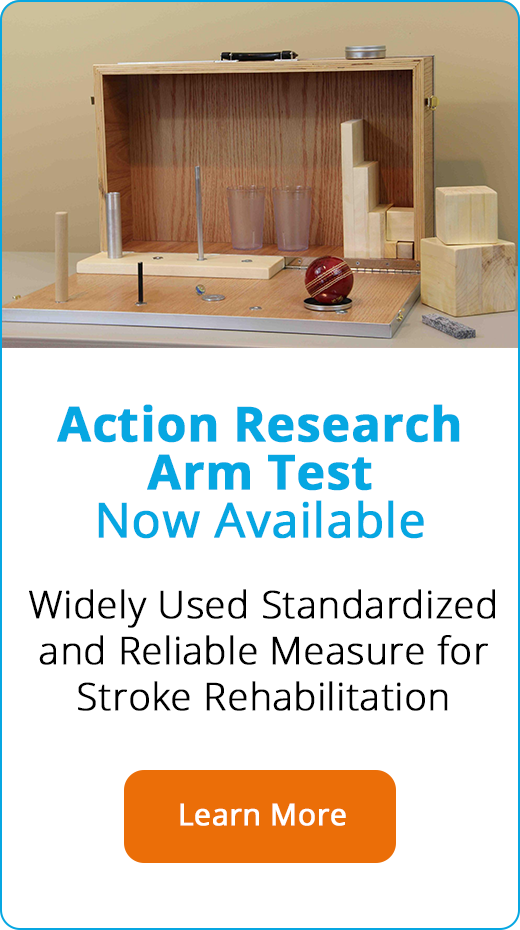
Stroke Assessment using the Action Research Arm Test (ARAT Kit)
NeuroRehab Team
Friday, June 3rd, 2016
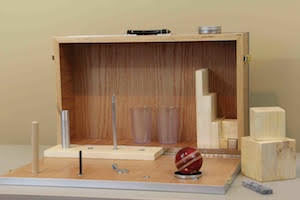
Evaluating the impact of stroke rehabilitation requires the use of reliable, valid, and objective outcome measures. Despite consensus among nationally published guidelines recommending the use of valid and reliable assessment tools, the scientific community lacks direction regarding what outcome measures should be selected for particular evaluative needs. One measure that appears to have general acceptance and embraced by many neurorehabilitation specialists is the Action Research Arm Test (ARAT).
Stroke Arm Treatment: Using Mobile Arm Supports For Function and Exercise.
NeuroRehab Team
Tuesday, May 24th, 2016
Arm and HandMobile Arm SupportsNeuroplasticity
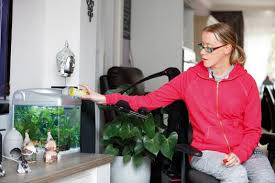
Stroke is one of the main causes of disability throughout the world. Due to hemorrhagic or ischemic damage to brain, many clients will suffer from impaired strength leading to poor gross motor movements and motor planning. In order to perform every day tasks such as grooming, eating, typing on a computer, or writing, adequate proximal strength (shoulder/elbow) is required to allow for normal distal control (hand/wrist).
Improve Hand Function After Stroke
NeuroRehab Team
Tuesday, April 26th, 2016
Arm and HandHand Function SplintsStroke Statistics
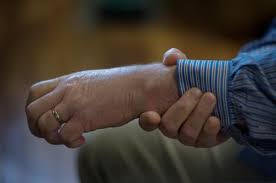
It is not uncommon for individuals to experience decreased hand function and strength following a neurological injury such as stroke. Sadly, even after 6 months following stroke, over 60% of clients are still struggling to achieve full arm and hand recovery (Kwakkel et al., 2003). Moreover, the inability to actively open the hand for pre-grasp activities is a severe limitation for many stroke survivors. The impaired movements lead to decreased independence in leisure and self-care tasks (activities of daily living). Because this limited function is a difficult challenge, traditionally, clients were required to relearn new compensatory movement patterns and one-handed strategies so functional activities could be achieved.
Mirror Therapy Exercises for Improving Arm and Hand Function After Stroke
NeuroRehab Team
Thursday, April 21st, 2016
Arm and HandMental PracticeMirror TherapyNeuroplasticity
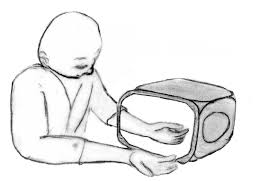
Mirror therapy, a treatment technique first described by V.S. Ramachandran for phantom limb pain following amputation, is a form of motor imagery in which a mirror is used to process visual feedback about motor performance of the unaffected body part as it performs various movements. It is primarily used to speed up and improve motor function after stroke and other neurological disorders.
Shoulder Subluxation Following Stroke and Other Neurological Injuries
NeuroRehab Team
Thursday, April 7th, 2016
Arm BikeElectrical StimulationshoulderStroke StatisticsSubluxation Slings
Stroke is a major cause of disability in the world. Significant impairment in the affected arm can be seen roughly between 30 and 70% of individuals suffering from stroke (Kwakkel et al., Lancet, 1999). One of the most common areas often affected by a neurological injury is the glenohumeral joint (i.e., shoulder). The shoulder complex is a very sophisticated and complicated joint in the body. It consists of 20 muscles, 3 bones, 3 joints, and 1 articulation. It has the greatest ROM of any joint in the body but at the expense of stability.
Stroke Rehab Exercise Equipment | Where to Start Guide
NeuroRehab Team
Monday, March 28th, 2016
As if learning to adjust to a new life following a stroke or neurological injury is not difficult enough, finding a home exercise program and appropriate stroke/neuro therapy equipment can be equally daunting. Assuming a therapist is up-to-date with current stroke research and latest technology available (could be a big assumption), there is a good chance that he or she will recommend exercises and products that will be meaningful to the client.
Stroke Shoulder Pain and Stiffness
NeuroRehab Team
Tuesday, March 22nd, 2016
Arm and HandshoulderStroke StatisticsSubluxation Slings
Shoulder pain is a common complication after stroke. Up to 72% of stroke patients develop hemiplegic shoulder pain. It may occur in up to 80% of stroke patients who have little or no voluntary movement of the affected upper limb. Painful stroke shoulder can negatively affect rehab outcomes as adequate shoulder function is a prerequisite for hand function, ADL’s, and functional mobility.
Vision Recovery Following Stroke
NeuroRehab Team
Thursday, March 17th, 2016
NeuroplasticityVirtual RealityVisionVisual Aids
Approximately 30% of all stroke patients suffer from post-stroke visual impairment (Sand KM. Acta Neurol Scand Suppl. 2013). Following a stroke or other neurological injuries, various types of vision deficits can occur including the inability to recognize objects, color vision deficits and difficulty with perceiving various types of motion. Approximately 20% experience permanent visual deficits (Romano JG. J of Neurol Sci. 2008). According to the National Stroke Association, homonymous hemianopia, which is the loss of one half of the visual field in each eye, is the most common visual disorder.
Are You Safe To Drive Following a Stroke?
NeuroRehab Team
Monday, March 7th, 2016
Driving is often a major concern following a neurological injury. Movements, sensations, alertness, judgement, coordination, and vision can be adversely affected which may impair the ability to drive a car. Due to these impairments, there is cause for concern regarding increased risk of crashes post stroke and other neurological injuries (Perrier et al., 2010).
Arm and Hand Recovery Following Stroke and Other Neurological Injuries
NeuroRehab Team
Friday, February 26th, 2016
Arm and HandArm BikeBiofeedbackElectrical StimulationExercise AidsHand Function SplintsMirror TherapyMobile Arm SupportsNeuroplasticityRoboticsSubluxation SlingsVirtual Reality
The latest research shows that the brain is capable of rewiring and adapting after stroke. Therefore, arm and hand recovery is more possible than previously thought. However, in order to improve function in the upper limb, the client must be willing to incorporate the affected side purposefully, functionally, and repeatedly. In addition to functional training, other beneficial strategies include strength training, mental imagery, robotics, and gravity compensation.
Below are the key takeaway’s that highlight the current thinking from the scientific community.
Stroke Overview and Recovery – Key Facts
NeuroRehab Team
Thursday, February 25th, 2016
NeuroplasticityStroke Statistics
What is a Stroke?
A stroke, or cerebrovascular accident (CVA), is the rapid loss of brain function(s) due to disturbance in the blood supply to the brain. When you have an ischemic stroke, there is an interruption, or reduction, of the blood supply. Eighty percent of all strokes occur due to ischemia. With a hemorrhagic stroke, there is bleeding in the brain. After about 4 minutes without blood and oxygen, brain cells become damaged and may die. When brain cells are damaged or die, the body parts controlled by those cells cannot function. The loss of function may be mild or severe and temporary or permanent. This depends on where and how much of the brain is damaged and how fast the blood supply can be returned to the affected cells.