What is a Stroke? Can I Recover?
NeuroRehab Team
Thursday, June 9th, 2016
NeuroplasticityStroke Statistics
A stroke is a “brain attack”. It occurs when blood flow to an area of brain is cut off. When this happens, brain cells are deprived of oxygen and begin to die. When brain cells die during a stroke, abilities controlled by that area of the brain such as memory and muscle control are lost.
Stroke can be caused either by a clot obstructing the flow of blood to the brain (called an ischemic stroke) or by a blood vessel rupturing and preventing blood flow to the brain (called a hemorrhagic stroke). A TIA(transient ischemic attack), or “mini stroke”, is caused by a temporary clot.
10 Stroke Tips for Your Best Recovery
NeuroRehab Team
Wednesday, June 8th, 2016

By Ira Rashbaum, MD, Special to Everyday Health
Strokes occur in more than 795,000 in the United States each year, killing about 130,000. Survivors have an increased risk for long-term disability and face challenges completing daily activities.
Rehabilitation is a crucial component of care following a stroke. At top stroke centers some form of rehabilitation begins virtually immediately after a patient is admitted to the hospital — to get them on the right path to the best possible outcomes.
However, there are several things patients can do to ensure they are maximizing their recovery starting the second they suspect a stroke.
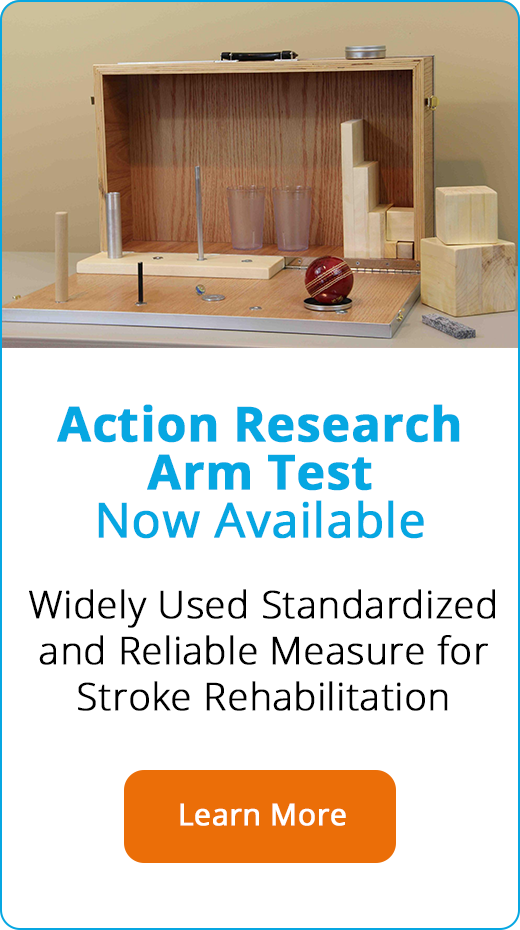
Stroke Assessment using the Action Research Arm Test (ARAT Kit)
NeuroRehab Team
Friday, June 3rd, 2016
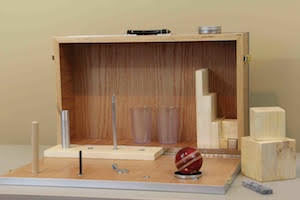
Evaluating the impact of stroke rehabilitation requires the use of reliable, valid, and objective outcome measures. Despite consensus among nationally published guidelines recommending the use of valid and reliable assessment tools, the scientific community lacks direction regarding what outcome measures should be selected for particular evaluative needs. One measure that appears to have general acceptance and embraced by many neurorehabilitation specialists is the Action Research Arm Test (ARAT).
Stroke Arm Treatment: Using Mobile Arm Supports For Function and Exercise.
NeuroRehab Team
Tuesday, May 24th, 2016
Arm and HandMobile Arm SupportsNeuroplasticity
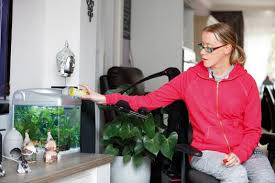
Stroke is one of the main causes of disability throughout the world. Due to hemorrhagic or ischemic damage to brain, many clients will suffer from impaired strength leading to poor gross motor movements and motor planning. In order to perform every day tasks such as grooming, eating, typing on a computer, or writing, adequate proximal strength (shoulder/elbow) is required to allow for normal distal control (hand/wrist).
Improve Hand Function After Stroke
NeuroRehab Team
Tuesday, April 26th, 2016
Arm and HandHand Function SplintsStroke Statistics
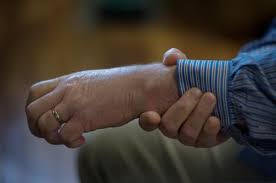
It is not uncommon for individuals to experience decreased hand function and strength following a neurological injury such as stroke. Sadly, even after 6 months following stroke, over 60% of clients are still struggling to achieve full arm and hand recovery (Kwakkel et al., 2003). Moreover, the inability to actively open the hand for pre-grasp activities is a severe limitation for many stroke survivors. The impaired movements lead to decreased independence in leisure and self-care tasks (activities of daily living). Because this limited function is a difficult challenge, traditionally, clients were required to relearn new compensatory movement patterns and one-handed strategies so functional activities could be achieved.
Mirror Therapy Exercises for Improving Arm and Hand Function After Stroke
NeuroRehab Team
Thursday, April 21st, 2016
Arm and HandMental PracticeMirror TherapyNeuroplasticity
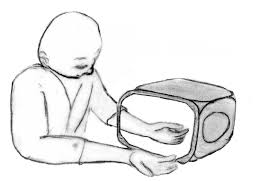
Mirror therapy, a treatment technique first described by V.S. Ramachandran for phantom limb pain following amputation, is a form of motor imagery in which a mirror is used to process visual feedback about motor performance of the unaffected body part as it performs various movements. It is primarily used to speed up and improve motor function after stroke and other neurological disorders.
Shoulder Subluxation Following Stroke and Other Neurological Injuries
NeuroRehab Team
Thursday, April 7th, 2016
Arm BikeElectrical StimulationshoulderStroke StatisticsSubluxation Slings
Stroke is a major cause of disability in the world. Significant impairment in the affected arm can be seen roughly between 30 and 70% of individuals suffering from stroke (Kwakkel et al., Lancet, 1999). One of the most common areas often affected by a neurological injury is the glenohumeral joint (i.e., shoulder). The shoulder complex is a very sophisticated and complicated joint in the body. It consists of 20 muscles, 3 bones, 3 joints, and 1 articulation. It has the greatest ROM of any joint in the body but at the expense of stability.
Stroke Rehab Exercise Equipment | Where to Start Guide
NeuroRehab Team
Monday, March 28th, 2016
As if learning to adjust to a new life following a stroke or neurological injury is not difficult enough, finding a home exercise program and appropriate stroke/neuro therapy equipment can be equally daunting. Assuming a therapist is up-to-date with current stroke research and latest technology available (could be a big assumption), there is a good chance that he or she will recommend exercises and products that will be meaningful to the client.
Stroke Shoulder Pain and Stiffness
NeuroRehab Team
Tuesday, March 22nd, 2016
Arm and HandshoulderStroke StatisticsSubluxation Slings
Shoulder pain is a common complication after stroke. Up to 72% of stroke patients develop hemiplegic shoulder pain. It may occur in up to 80% of stroke patients who have little or no voluntary movement of the affected upper limb. Painful stroke shoulder can negatively affect rehab outcomes as adequate shoulder function is a prerequisite for hand function, ADL’s, and functional mobility.
Vision Recovery Following Stroke
NeuroRehab Team
Thursday, March 17th, 2016
NeuroplasticityVirtual RealityVisionVisual Aids
Approximately 30% of all stroke patients suffer from post-stroke visual impairment (Sand KM. Acta Neurol Scand Suppl. 2013). Following a stroke or other neurological injuries, various types of vision deficits can occur including the inability to recognize objects, color vision deficits and difficulty with perceiving various types of motion. Approximately 20% experience permanent visual deficits (Romano JG. J of Neurol Sci. 2008). According to the National Stroke Association, homonymous hemianopia, which is the loss of one half of the visual field in each eye, is the most common visual disorder.
Are You Safe To Drive Following a Stroke?
NeuroRehab Team
Monday, March 7th, 2016

Driving is often a major concern following a neurological injury. Movements, sensations, alertness, judgement, coordination, and vision can be adversely affected which may impair the ability to drive a car. Due to these impairments, there is cause for concern regarding increased risk of crashes post stroke and other neurological injuries (Perrier et al., 2010).
Arm and Hand Recovery Following Stroke and Other Neurological Injuries
NeuroRehab Team
Friday, February 26th, 2016
Arm and HandArm BikeBiofeedbackElectrical StimulationExercise AidsHand Function SplintsMirror TherapyMobile Arm SupportsNeuroplasticityRoboticsSubluxation SlingsVirtual Reality
The latest research shows that the brain is capable of rewiring and adapting after stroke. Therefore, arm and hand recovery is more possible than previously thought. However, in order to improve function in the upper limb, the client must be willing to incorporate the affected side purposefully, functionally, and repeatedly. In addition to functional training, other beneficial strategies include strength training, mental imagery, robotics, and gravity compensation.
Below are the key takeaway’s that highlight the current thinking from the scientific community.
Stroke Overview and Recovery – Key Facts
NeuroRehab Team
Thursday, February 25th, 2016
NeuroplasticityStroke Statistics
What is a Stroke?
A stroke, or cerebrovascular accident (CVA), is the rapid loss of brain function(s) due to disturbance in the blood supply to the brain. When you have an ischemic stroke, there is an interruption, or reduction, of the blood supply. Eighty percent of all strokes occur due to ischemia. With a hemorrhagic stroke, there is bleeding in the brain. After about 4 minutes without blood and oxygen, brain cells become damaged and may die. When brain cells are damaged or die, the body parts controlled by those cells cannot function. The loss of function may be mild or severe and temporary or permanent. This depends on where and how much of the brain is damaged and how fast the blood supply can be returned to the affected cells.