Mirror Therapy After Stroke: A Complete Guide for Survivors and Care Partners
NeuroRehab Team
Thursday, October 22nd, 2026
Mirror Therapy After Stroke: How It Works and How to Use It at Home
Mirror therapy after stroke is one of the most accessible and evidence-supported tools available for upper limb recovery. It requires no prescription, no equipment beyond a mirror, and can be done at home every day. If you are working to recover hand or arm movement after a stroke, understanding how mirror therapy works and how to use it correctly could meaningfully accelerate your progress. Neuroplasticity is the foundation of every stroke recovery intervention, and mirror therapy is one of the most direct ways to activate it.
What Is Mirror Therapy?
Mirror therapy uses a simple visual trick to engage your brain. You place a mirror vertically along the midline of your body, reflecting your unaffected arm. When you move the unaffected arm and watch the reflection, your brain receives visual information that looks like the affected arm is moving. This tricks the motor cortex into activating pathways it has not been able to use since the stroke.
The technique was first developed by neuroscientist Vilayanur Ramachandran in the 1990s to treat phantom limb pain. Researchers later applied it to stroke rehabilitation and found consistent results: survivors who practiced mirror therapy showed greater gains in motor function compared to controls.
Mirror therapy is not magic. It works because the brain uses vision as a primary input for motor planning. When you see movement, motor neurons fire. Repeated firing over time strengthens the neural connections needed for real movement. That is neuroplasticity in action.
The Neuroscience Behind Mirror Therapy
When you watch your unaffected hand move in a mirror, several things happen in the brain simultaneously. The visual cortex processes the image. The mirror neuron system activates as if you were watching someone else perform the movement. And the motor cortex on the affected side begins to fire, even without voluntary movement.
This cross-activation is the key mechanism. After a stroke, the affected motor cortex often goes quiet because it receives no successful movement signals. Mirror therapy bypasses this silence by delivering visual input that simulates successful movement. Over repeated sessions, the motor cortex re-engages.
Studies using functional MRI have shown that mirror therapy activates the ipsilateral motor cortex, the premotor cortex, and the supplementary motor area. These are exactly the regions that need reactivation for upper limb recovery. The science supports what clinicians have observed: consistent mirror therapy produces measurable improvement in grip strength, finger extension, and arm function.
This is also why recovery timelines vary so widely between survivors. Those who practice neuroplasticity-based interventions consistently tend to continue improving long after formal therapy ends.
Who Benefits Most from Mirror Therapy After Stroke?
Mirror therapy works best for survivors with some degree of preserved motor function in the affected arm. It is most effective when the survivor can perform at least minimal voluntary movement, even just slight finger flexion or wrist extension. Survivors with complete flaccid paralysis may see less benefit, though some research suggests that even in this group, mirror therapy can help maintain neural activity and reduce learned non-use.
The technique is particularly well-suited for survivors who:
- Have been discharged from formal therapy but want to continue improving
- Experience spasticity that limits active exercise options
- Have plateaued with conventional exercise and need a new stimulus
- Are in the chronic phase of recovery and have been told improvement is unlikely
- Are motivated to practice independently between therapy sessions
Mirror therapy can also be combined with other interventions, which is covered in detail below.
How to Set Up Mirror Therapy at Home
The setup is straightforward. You need a flat mirror large enough to reflect your entire forearm and hand. A standard tabletop mirror approximately 30 cm wide works well. You can purchase purpose-built mirror therapy boxes, or simply prop a mirror vertically along the midline of a table using a book stand or dedicated holder.
Positioning: Sit comfortably at a table. Place the mirror so its edge aligns with the center of your body. Your affected arm rests behind the mirror, out of your line of sight. Your unaffected arm sits in front of the mirror. When you look at the reflection, it should appear to be your affected arm.
Session structure: Most research protocols use sessions of 20 to 30 minutes, five days per week. However, even shorter sessions performed consistently produce benefit. Consistency matters more than session length.
What to do during a session: Move the unaffected hand and arm through a series of functional movements while watching the reflection intently. The quality of your attention matters. You are training your brain, not just your muscles. Try to imagine that the reflected arm is your affected arm moving.
Mirror Therapy Exercises: A Practical Home Protocol
The following movements are drawn from standard clinical mirror therapy protocols. Perform each slowly and deliberately, watching the reflection throughout.
Wrist and hand movements
- Wrist flexion and extension: slowly bend the wrist up, hold two seconds, lower
- Finger opening and closing: spread all fingers wide, then close into a loose fist
- Individual finger lifts: tap each finger to the table one at a time
- Thumb opposition: touch the tip of the thumb to each fingertip in sequence
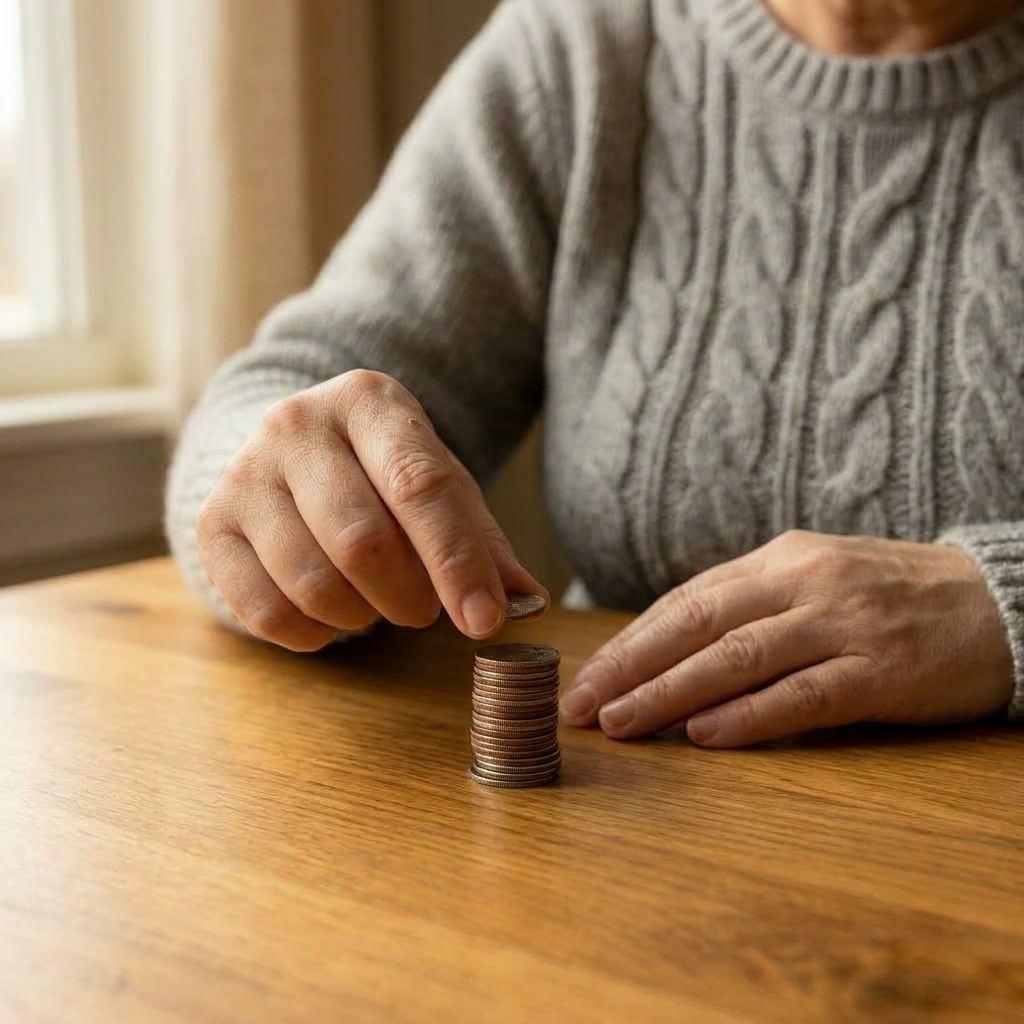
- Coin pickup simulation: pinch thumb and index finger together repeatedly
Forearm and elbow movements
- Forearm rotation: turn the palm up (supination), then down (pronation)
- Elbow flexion and extension: if your mirror is large enough, bend and straighten the elbow
- Reach and return: reach forward across the table, then return the hand to starting position
Aim for 10 to 15 repetitions of each movement per session. Rest as needed. The goal is quality of attention, not volume.
How Mirror Therapy Compares to Other Upper Limb Interventions
Mirror therapy does not replace other upper limb interventions. It works best as part of a broader program. The table below compares mirror therapy with other common approaches.
| Intervention | Mechanism | Equipment needed | Best used for |
|---|---|---|---|
| Mirror therapy | Visual feedback activates motor cortex | Mirror only | Motor reactivation, learned non-use |
| Electrical stimulation (FES/NMES) | Electrical current triggers muscle contraction | Stimulator and electrodes | Muscle activation, strengthening |
| Task-specific exercise | Repetitive functional movement drives plasticity | Household objects | Functional skill building |
| Mental practice | Motor imagery activates motor pathways without movement | None | Severe impairment, fatigue management |
| Spasticity management | Reduces tone to allow voluntary movement | Varies | Spasticity-limited range of motion |
Combining Mirror Therapy with Other Interventions
Mirror therapy is particularly effective when combined with electrical stimulation. Several studies have tested this combination and found greater gains in motor function than either intervention alone. The protocol is straightforward: perform mirror therapy immediately before or during an electrical stimulation session so that the visual priming from the mirror enhances the motor response to stimulation.
If you use a functional electrical stimulation device for upper limb recovery, consider adding mirror therapy immediately beforehand. This sequence prepares the motor cortex to respond more strongly to the electrical input.
Mirror therapy also pairs well with mental practice. On days when fatigue limits active mirror therapy, close your eyes and mentally rehearse the same movements you would perform in the mirror. Both techniques engage the motor cortex through non-movement-based input, and they reinforce each other.
For survivors managing post-stroke spasticity, mirror therapy can be used after spasticity management techniques have been applied. If heat, stretching, or positioning has reduced tone temporarily, mirror therapy during this window may allow more effective motor activation. For professional spasticity management support, Salia Rehab’s treatment services offer specialist occupational therapy assessment and planning.
What Mirror Therapy Cannot Do
Mirror therapy is not a substitute for professional rehabilitation. It does not replace occupational therapy assessment, hands-on treatment, or supervised exercise programs. Survivors with significant spasticity, shoulder pain, or shoulder subluxation should have these issues assessed and managed before or alongside any home practice program.
Mirror therapy also requires consistent effort over weeks and months to produce meaningful change. Sessions done sporadically produce little benefit. The research protocols that show results involve daily or near-daily practice over a minimum of four weeks. If you are not prepared to commit to that frequency, combine mirror therapy with other interventions that require less consistent scheduling.
Finally, mirror therapy works best when paired with attention and intention. Going through the motions while watching television significantly reduces its effectiveness. The brain learns from what it attends to. Treat each session as focused practice, not passive movement.
Troubleshooting Common Problems
The reflection does not feel convincing
This is common early in practice. The illusion strengthens with repetition. Keep sessions short initially and focus on slow, deliberate movements that are easy to match between both hands. As your brain adapts to the visual feedback, the sense of the reflection as your affected hand will become more natural.
The affected arm moves involuntarily during sessions
This is a positive sign. It means the motor pathways are activating. Allow this movement to happen naturally without trying to suppress or exaggerate it. If it causes discomfort, reduce the range of motion in the unaffected arm so the reflected movement is less demanding.
Fatigue limits session length
Post-stroke fatigue is real and should be respected. Short sessions performed consistently are more effective than occasional long sessions. If 20 minutes is too much, start with five to eight minutes and build gradually. The goal is sustainable daily practice, not maximum effort on any single day.
Progress feels slow
Neuroplastic change occurs over weeks and months, not days. Many survivors report noticing changes around the four to six week mark when practicing consistently. Track your progress by videoing your affected hand at the start of each week. The comparison over time often reveals change that is invisible day to day. Keep in mind that recovery can continue years after stroke with the right approach.
Key Takeaways
- Mirror therapy activates the motor cortex through visual feedback, driving neuroplastic change without requiring voluntary movement in the affected arm
- The evidence base supports mirror therapy for upper limb recovery, particularly for hand and wrist function
- A basic home setup requires only a flat mirror; purpose-built mirror therapy boxes are helpful but not essential
- Consistent daily practice over four or more weeks produces the most meaningful results; session quality matters more than session length
- Mirror therapy combines effectively with electrical stimulation and mental practice for greater motor gains
- Survivors in the chronic phase can still benefit; the window for neuroplastic recovery does not close
Frequently Asked Questions
How long does mirror therapy take to show results after stroke?
Most research protocols show measurable improvement after four to six weeks of daily practice. Individual results vary based on the severity of the stroke, consistency of practice, and whether mirror therapy is combined with other interventions. Survivors who practice every day and combine mirror therapy with electrical stimulation or task-specific exercise tend to see faster progress.
Can mirror therapy help if it has been years since my stroke?
Yes. Research has demonstrated neuroplastic improvements in chronic stroke survivors, including those more than a year post-stroke. The brain retains the capacity for reorganization long after stroke. Consistent, targeted practice produces meaningful changes at any stage of recovery, though gains may be more gradual in the chronic phase.
Does mirror therapy work for complete paralysis of the affected hand?
Mirror therapy is most effective when some residual motor function remains. For survivors with complete flaccid paralysis, the evidence is less robust, but some studies suggest that mirror therapy can still activate motor pathways and reduce learned non-use even without voluntary movement. It is worth attempting under the guidance of an occupational therapist who can assess response over time.
What type of mirror should I use for mirror therapy at home?
Any flat mirror that reflects your full forearm and hand can work. A mirror approximately 30 cm wide is sufficient for most people. You can prop it on a book stand or purchase a purpose-built mirror therapy box, which provides a more stable setup. Avoid angled or magnifying mirrors, which distort the visual feedback the technique relies on.
Can I do mirror therapy if I have spasticity in my affected hand?
Yes, but with some adjustments. If spasticity limits the resting position of your affected hand, ensure it is positioned comfortably behind the mirror before you begin. You may also want to perform gentle stretching or apply warmth to the affected hand before the session to reduce tone temporarily. If spasticity is severe, consult an occupational therapist before starting a home mirror therapy program.
Related Reading
- How Neuroplasticity Drives Stroke Recovery
- Upper Limb Electrical Stimulation After Stroke: A Complete Guide
- Upper Limb Home Exercise Program After Stroke
- Post-Stroke Spasticity Treatment: What Works
- Chronic Stroke Recovery: Is It Too Late to Improve?
- NMES vs TENS for Stroke Recovery
- Shoulder Subluxation After Stroke
- Stroke Recovery Timeline: What to Expect
Leave a Reply
You must be logged in to post a comment.