Hand Weakness After Stroke: Why It Happens and How Recovery Works
NeuroRehab Team
Thursday, November 5th, 2026
Hand weakness after stroke is one of the most disabling consequences a survivor faces. The hand is involved in nearly every activity of daily life, and when stroke disrupts the neural pathways controlling it, even simple tasks like buttoning a shirt or holding a cup become serious obstacles. Understanding why this happens and what drives recovery is the first step toward getting function back.
The encouraging reality is that the brain retains the ability to rewire itself long after stroke. Neuroplasticity after stroke is the science behind hand recovery, and it responds directly to the volume and consistency of practice. That means what you do every day matters as much as what happens in formal therapy sessions.
This guide covers the clinical reasons hand weakness occurs after stroke, the factors that determine recovery potential, and the treatments that the evidence supports most strongly. It is written for survivors and care partners navigating upper limb recovery at any stage.
Why Stroke Causes Hand Weakness
The hand is one of the most cortically represented body parts in the brain. A disproportionately large area of the motor cortex is dedicated to controlling fine hand movements. When stroke damages this area or the pathways connecting it to the spinal cord, the signal chain breaks and weakness results.
Corticospinal Tract Damage
The corticospinal tract is the main highway for voluntary motor commands from the brain to the muscles. It runs from the motor cortex through the brainstem and down the spinal cord. Stroke lesions that interrupt this tract, particularly in the internal capsule or corona radiata, produce weakness on the opposite side of the body. The hand is especially vulnerable because its fine motor fibers travel through a narrow region where even a small lesion causes significant impairment.
Loss of Cortical Motor Map
When motor cortex tissue is destroyed by stroke, the cortical map representing the hand is lost or disrupted. Adjacent cortical areas may partially take over representation of the hand over time, but this remapping requires intensive, targeted practice to occur. Without that practice, the cortical map for the hand shrinks further rather than recovering.
Learned Non-Use
Learned non-use is a secondary problem that compounds the initial weakness. When early attempts to use the affected hand fail or are painful, survivors naturally begin compensating with the stronger arm. Over time, the brain receives even less input from the affected hand, further reducing its cortical representation. This is one reason hand weakness can worsen over months even when no additional neurological damage has occurred.
Spasticity and Muscle Imbalance
Stroke often produces spasticity, where certain muscle groups become overactive. In the hand, the finger flexors tend to dominate, pulling the hand into a fist. This muscle imbalance further limits voluntary movement and can lead to contractures if left untreated. See post-stroke spasticity treatment for a full breakdown of how to address this.
Key Takeaways
- Hand weakness after stroke is caused by damage to motor pathways, not the muscles themselves. The muscles are intact; the signal chain is broken.
- Neuroplasticity is the mechanism of recovery. The brain rewires in response to repetitive, task-specific practice.
- NMES and FES can activate paralyzed muscles and accelerate the rewiring process when used consistently. See Can Electrical Stimulation Restore Movement After Stroke?
- Learned non-use actively works against recovery. Forcing use of the affected hand, even imperfectly, generates the neural input needed for change.
- Recovery is possible at every stage after stroke, including years later. Consistency over time is the most important variable.
What Determines Recovery Potential?
No two strokes produce identical outcomes. Recovery potential depends on a combination of neurological and behavioral factors.
Stroke Severity and Lesion Location
Larger lesions and those in critical motor pathway locations tend to produce more severe initial deficits. However, lesion size alone does not predict final outcome. Some survivors with significant initial weakness achieve substantial recovery with intensive, consistent rehabilitation.
Presence of Any Voluntary Movement
Whether the survivor can produce any voluntary finger extension in the early weeks after stroke is one of the strongest clinical predictors of hand recovery. Even trace movement, the ability to initiate even a few degrees of finger extension, signals that the corticospinal tract is at least partially intact and that neuroplastic recovery is more likely.
Time Since Stroke
The first three to six months after stroke represent a period of heightened neuroplasticity when recovery tends to be fastest. But recovery does not stop there. Research consistently shows that meaningful gains are possible years and even decades after stroke when the right intensity of practice is maintained. This is covered in depth in the guide on chronic stroke recovery.
Volume of Practice
The brain rewires through repetition. Research suggests that hundreds to thousands of repetitions per session are needed to drive meaningful cortical change. Most clinical therapy sessions fall well short of this number, which is why a structured upper limb home exercise program after stroke is essential to close the gap between what therapy provides and what the brain needs.
Fatigue and Overall Health
Post-stroke fatigue is among the most underestimated barriers to recovery. When fatigue is high, practice volume drops, and recovery stalls. Nutrition, sleep, and cardiovascular health all influence how much energy is available for rehabilitation work. See the full guide on why stroke makes you tired and what to do about it.
Neuro90 — Free hand recovery app
How bad do you want your hand back?
Neuro90 is a free daily hand recovery program built on the same neuroplasticity principles your therapist uses. No equipment. No cost. Just consistent practice that compounds. The survivors who get their hand back are the ones who refuse to stop working for it.
Treatments That Work for Hand Weakness After Stroke
No single treatment restores hand function on its own. The survivors who make the most progress layer multiple evidence-based approaches and practice them consistently.
Task-Specific Practice
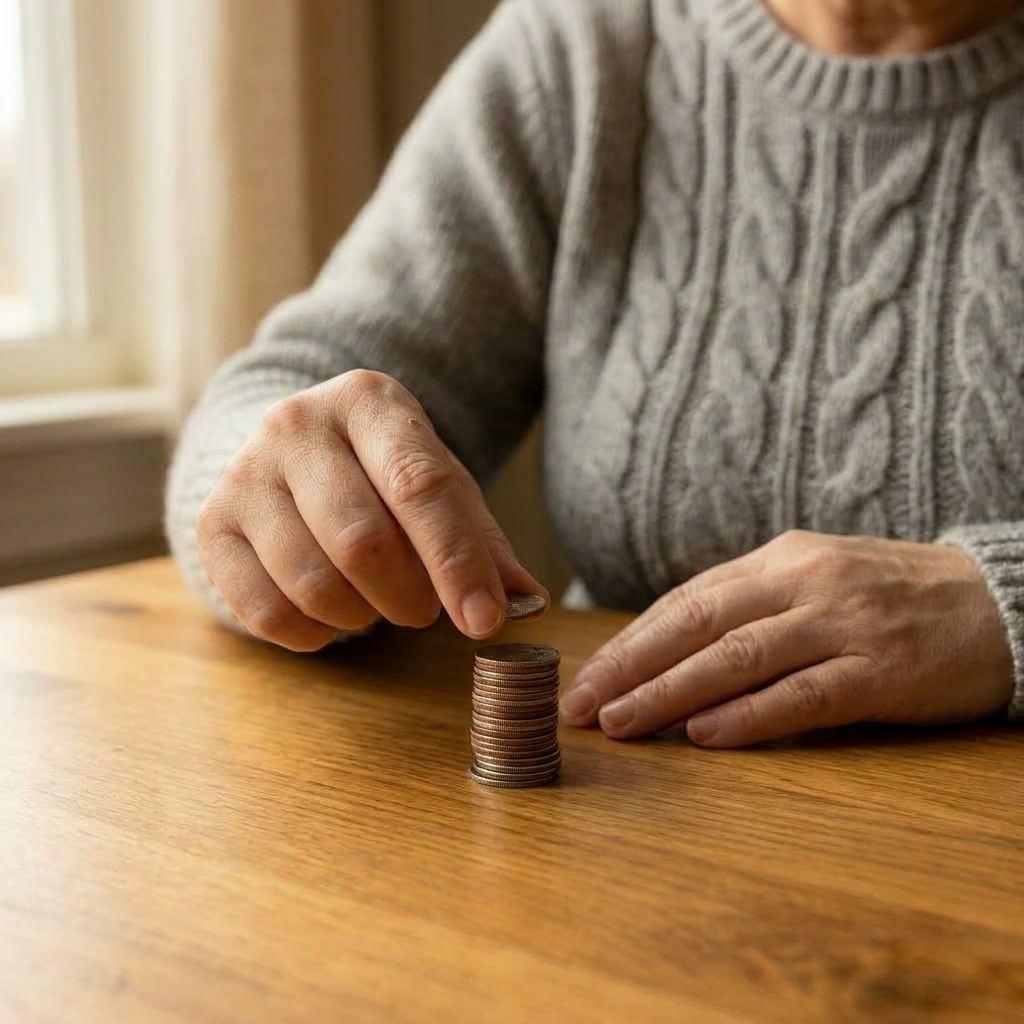
The brain rewires most efficiently when practice mimics real functional tasks. Reaching for a cup, pressing buttons, picking up objects of different sizes, and turning pages all activate hand function in ways that isolated finger exercises do not. High repetition, high specificity, and progressive difficulty are the principles that drive cortical change. This is the foundation of every evidence-based hand rehabilitation program.
Neuromuscular Electrical Stimulation (NMES)
NMES delivers electrical current to the muscles of the hand and forearm, producing contractions that the nervous system can no longer drive voluntarily. Used consistently, NMES serves two purposes: it maintains muscle health in a paralyzed hand, and it generates sensory-motor feedback that the brain uses to reinforce the damaged neural pathway. The guide on upper limb electrical stimulation after stroke covers how and when to use it. For electrode setup, the electrode placement guide walks through the full protocol.
Mirror Therapy
Mirror therapy uses a mirror positioned between the arms so the survivor sees a reflection of the unaffected hand moving in place of the affected one. This creates a visual illusion that activates motor cortex areas associated with the affected hand. It is one of the most accessible and well-researched treatments for hand weakness after stroke. See the complete guide to mirror therapy after stroke for the evidence base and how to get started at home.
Constraint-Induced Movement Therapy (CIMT)
CIMT involves restraining the unaffected arm and forcing intensive use of the affected hand for several hours per day over a concentrated period. It directly combats learned non-use and has strong research support for survivors with at least some residual voluntary hand movement. It requires clinical supervision and high patient motivation, but the gains it produces are among the most durable in stroke rehabilitation research.
Spasticity Management
A fisted, spastic hand cannot participate in meaningful practice. Getting spasticity under control, through splinting, Botox, serial casting, or oral medications, is often a prerequisite for hand rehabilitation to progress. Work with your occupational therapist and physiatrist to establish a spasticity management plan before focusing purely on strengthening. Find out more through the NRD guide on post-stroke spasticity treatment.
Occupational Therapy
Occupational therapists are the clinical specialists for upper limb rehabilitation after stroke. They assess hand function, design individualized treatment plans, fit adaptive equipment, and teach care partners how to support home practice safely. If you are not currently working with an OT, ask your neurologist or physiatrist for a referral. Salia Rehab’s treatment programs support survivors and the therapists guiding their upper limb recovery.
Hand Weakness Treatment: Evidence Comparison
| Treatment | Evidence Level | At Home? | Best For |
|---|---|---|---|
| Task-specific practice | Strong | ✓ | All survivors; foundation of every program |
| NMES / FES | Strong | ✓ (with training) | Paralyzed or severely weak hand |
| Mirror therapy | Moderate–Strong | ✓ | Minimal to moderate weakness; complements other treatments |
| CIMT | Strong | △ partial | Some residual voluntary movement present |
| Spasticity management | Strong | △ partial | Prerequisite when spasticity limits practice |
| Mental practice / motor imagery | Moderate | ✓ | Supplement when physical practice is limited |
| Robotics / technology-assisted therapy | Moderate | △ some devices | High-volume repetition with reduced therapist burden |
Building a Daily Hand Recovery Routine
Formal therapy sessions alone are not enough to drive the repetition volume the brain needs. The survivors who recover most hand function are the ones who build a consistent daily home routine around their clinical therapy.
A practical daily routine for hand weakness might look like this:
- Morning: NMES session (20 to 30 minutes) to activate hand muscles and generate sensory input before active practice begins
- Mid-morning: Task-specific hand exercises (grasping, releasing, pinching, manipulating objects) using a structured program like Neuro90
- Afternoon: Mirror therapy (15 to 20 minutes) as a lower-effort complement that keeps neural activation high without exhausting the survivor
- Throughout the day: Intentional use of the affected hand during meals, dressing, and other daily tasks rather than defaulting entirely to the stronger arm
The structure matters less than the consistency. Seven days a week of moderate effort outperforms two days of intense effort with five days of rest. The stroke recovery at-home guide walks through how care partners can build this daily structure alongside the survivor.
What Care Partners Can Do
- Encourage use of the affected hand during daily activities even when it is slower or more frustrating. Compensation with the stronger arm feels efficient but reduces the neural input needed for recovery.
- Assist with NMES setup if the survivor cannot position electrodes independently. Ask the OT to demonstrate the correct placement and settings.
- Set up the mirror therapy station each day so the barrier to starting is as low as possible. Consistency is the goal, not perfection.
- Track hand function monthly with a simple grip strength measurement or a timed task (such as picking up and moving 10 small objects). Progress in hand recovery is often slow enough that it is hard to notice day to day, but measurable over weeks and months.
- Communicate with the OT about what is working and what is not. The home program should evolve as hand function changes.
Related Reading on NRD
- Neuroplasticity After Stroke: How the Brain Rewires Itself
- Mirror Therapy After Stroke: A Complete Guide
- Upper Limb Electrical Stimulation After Stroke: Complete Guide
- Upper Limb Home Exercise Program After Stroke
- Post-Stroke Spasticity Treatment: What Works
- Chronic Stroke Recovery: Is It Too Late to Improve?
Frequently Asked Questions About Hand Weakness After Stroke
Can hand function return after stroke?
Yes. Meaningful hand function can return at any stage after stroke, including years later. The extent of recovery depends on stroke severity, lesion location, and above all, the volume and consistency of rehabilitation practice. Survivors with some residual voluntary finger movement in the first weeks after stroke have the strongest prognosis, but even those with severe initial weakness can make meaningful gains with the right approach.
How long does it take to recover hand movement after stroke?
There is no universal timeline. The first three to six months after stroke are typically the period of fastest recovery due to heightened neuroplasticity. However, the brain continues to rewire in response to practice well beyond this window. Some survivors continue to see meaningful improvements one to two years or more after their stroke when they maintain consistent rehabilitation intensity.
What is the best exercise for hand weakness after stroke?
Task-specific practice, where the survivor repeatedly performs real functional hand movements such as grasping, releasing, and manipulating objects, produces the strongest evidence for cortical rewiring. This is most effective when combined with NMES (to activate muscles that cannot contract voluntarily) and mirror therapy (to generate motor cortex input through visual feedback). The best program is the one that is practiced every day.
Does electrical stimulation help hand weakness after stroke?
Yes. NMES and FES have strong research support for upper limb rehabilitation after stroke. They produce muscle contractions in a weakened or paralyzed hand, generate sensory feedback that reinforces motor pathways, and can be combined with voluntary effort to amplify neuroplastic effects. They are most effective when used consistently alongside task-specific practice rather than as a standalone treatment.
Why is hand recovery after stroke harder than leg recovery?
Hand recovery is typically harder than leg recovery for two reasons. First, the hand requires fine motor control driven by a large and specific area of the motor cortex, meaning that even small lesions can cause significant functional loss. Second, the leg benefits from weight-bearing activity during walking, which generates high volumes of neural input automatically. The hand only gets that input through deliberate practice, which must be built intentionally into the daily routine.
The Bottom Line on Hand Weakness After Stroke
Hand weakness after stroke is caused by disrupted neural pathways, not damaged muscles. That distinction matters because it means the target of recovery is the brain, not the hand itself. The brain rewires through repetitive, purposeful practice, and it responds to that practice at every stage after stroke.
The gap between what formal therapy provides and what the brain actually needs is wide. Closing that gap requires a consistent daily home program that layers task-specific practice, electrical stimulation, mirror therapy, and intentional use of the affected hand throughout the day.
For a deeper understanding of how the brain rebuilds motor function, the guide on neuroplasticity after stroke explains the science behind every treatment on this list. And if you are navigating the full arc of recovery, the stroke recovery timeline sets realistic expectations for what progress looks like at each stage.
Neuro90 — Free hand recovery app
Are you up for the challenge?
You can still improve. It is never too late. Neuro90 gives you a free, guided recovery program built on neuroplasticity science. No equipment. No excuses. Just show up.
Leave a Reply
You must be logged in to post a comment.