Post-Stroke Shoulder Pain: Causes, Prevention, and Evidence-Based Treatment
NeuroRehab Team
Thursday, August 21st, 2025
Shoulder pain affects up to 72% of stroke patients during their first year of recovery. This pain usually develops on the stroke-affected side of the body. The condition can lower a patient’s quality of life by a lot and leads to depression and sleep problems.
Doctors tend to focus on basic stroke rehabilitation. The treatment of post-stroke shoulder pain needs more attention since it can start just two weeks after a stroke. Most cases develop within 2-3 months. On top of that, shoulder subluxation affects three out of four patients during recovery. This condition often triggers the debilitating pain. Let’s explore what causes this pain, its types, and available treatments. We’ll also look at key prevention strategies that healthcare providers should emphasize but often miss.
Post-Stroke Shoulder Pain and Frozen Shoulder: Evidence-Based Rehabilitation Strategies
NeuroRehab Team
Tuesday, July 15th, 2025
Shoulder pain and limited mobility are among the most common complications following stroke, affecting up to 70% of survivors and interfering with daily activities and quality of life.
Occupational therapists play a critical role in restoring functional range of motion, reducing pain, and preventing secondary complications such as frozen shoulder. Early, targeted intervention not only improves physical outcomes but also boosts patient confidence and participation in therapy.
Stroke Shoulder Online CEU Course Now Available
NeuroRehab Team
Thursday, December 8th, 2022
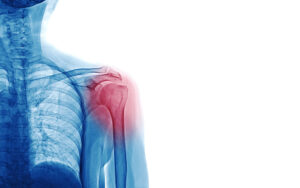
Stroke Shoulder Simplified.
Demystifying subluxation, pain and stiffness.
Online Shoulder Stroke/Neuro Occupational Therapy CEUs
NeuroRehab Team
Saturday, November 26th, 2022
Shoulder pain resulting from stroke hemiplegia is a common clinical consequence. Hemiplegic shoulder pain can occur as early as two weeks post-stroke but an onset of two to three months is more typical. Frozen shoulder, pain and weakness can negatively affect rehabilitation outcomes as good shoulder function is a prerequisite for successful transfers, maintaining balance, effective hand function, and performing ADL’s activities of daily living.
The Best Way to Treat Shoulder Subluxation
NeuroRehab Team
Friday, November 4th, 2022
Electrical Stimulationshouldersubluxation

The shoulder is the most complicated joint in the human body. It’s also one of the most difficult aspects of recovery for hemiplegic stroke survivors.
Why?
Where to find Shoulder Subluxation Treatment Options?
NeuroRehab Team
Tuesday, September 20th, 2016
Electrical StimulationshoulderSubluxation Slings

One of the most common areas often affected by a neurological injury is the glenohumeral joint (i.e., shoulder). The shoulder complex is a very sophisticated and complicated joint in the body. It consists of 20 muscles, 3 bones, 3 joints, and 1 articulation. It has the greatest ROM of any joint in the body but at the expense of stability.
Shoulder Subluxation Following Stroke and Other Neurological Injuries
NeuroRehab Team
Thursday, April 7th, 2016
Arm BikeElectrical StimulationshoulderStroke StatisticsSubluxation Slings
Stroke is a major cause of disability in the world. Significant impairment in the affected arm can be seen roughly between 30 and 70% of individuals suffering from stroke (Kwakkel et al., Lancet, 1999). One of the most common areas often affected by a neurological injury is the glenohumeral joint (i.e., shoulder). The shoulder complex is a very sophisticated and complicated joint in the body. It consists of 20 muscles, 3 bones, 3 joints, and 1 articulation. It has the greatest ROM of any joint in the body but at the expense of stability.
Stroke Shoulder Pain and Stiffness
NeuroRehab Team
Tuesday, March 22nd, 2016
Arm and HandshoulderStroke StatisticsSubluxation Slings
Shoulder pain is a common complication after stroke. Up to 72% of stroke patients develop hemiplegic shoulder pain. It may occur in up to 80% of stroke patients who have little or no voluntary movement of the affected upper limb. Painful stroke shoulder can negatively affect rehab outcomes as adequate shoulder function is a prerequisite for hand function, ADL’s, and functional mobility.