Stroke Arm Exercises at Home: 8 Simple Upper Extremity Exercises for Faster Recovery
NeuroRehab Team
Tuesday, September 2nd, 2025
The CDC reports that stroke affects nearly 800,000 Americans yearly, and someone dies from it every four minutes . Affordable equipment and proper arm exercises play a vital role in a stroke patient’s recovery. Neurological damage often affects a stroke survivor’s arm function, which takes a toll on their quality of life .
Stroke Arm Exercises: 5 Progressive Levels to Rebuild Strength and Function
NeuroRehab Team
Tuesday, August 26th, 2025
Each year, stroke impacts nearly 800,000 people in the United States, and arm exercises play a vital role in patient recovery . Passive exercise creates the foundation for effective arm therapy. Many patients with severe weakness can slowly regain use of their affected arm through this approach . Adding just 20 more hours of arm therapy during hospital stays makes a difference. Patients show stronger weaker arms, better range of motion, improved daily activities performance, less pain, and higher life satisfaction.
Top Stroke Exercise for Arm Strength
NeuroRehab Team
Tuesday, December 15th, 2020
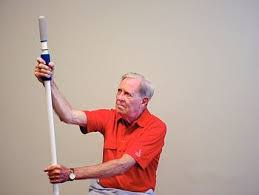
A stroke occurs when the blood vessels in your brain bleed due to a rupture. It can also happen when the blood supply to your brain is blocked. When blood supply is blocked, or blood vessels rupture, blood, and oxygen do not reach the brain tissues, and without oxygen, these cells and tissues become damaged and start dying within a short time.
Hand Exercise After Stroke | Build Strength & Coordination
NeuroRehab Team
Tuesday, January 14th, 2020
Exercise AidsFine Motor CoordinationStrengthening
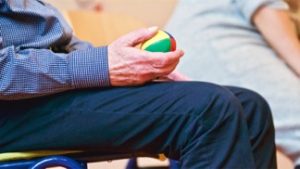
Launching a hand exercise program begins with understanding how a stroke that happens in your brain can cause problems with your hand. A stroke is basically an injury to the brain due to limited blood flow. The symptoms in the body reflect the area of injury in the brain. So a stroke survivor with hand issues, experienced an injury to the area of the brain that controls the hand.
Mobility and Leg Recovery Following Stroke and Other Neurological Injuries
NeuroRehab Team
Friday, August 2nd, 2019
BiofeedbackBody Weight SupportContracture SplintElectrical StimulationExercise AidsFoot Drop BraceLegLeg BikeMobilityNeuroplasticityRoboticsVirtual Reality
One of the most common impairments resulting from stroke is paralysis, which can affect a portion or the entire side of the body. Problems with body posture, walking, and balance can be significant. Two thirds of the patients are unable to walk without assistance in the first week after stroke (Jorgensen HS et al. Arch Phys Med Rehabil, 1995). Approximately 35% of survivors with initial paralysis of the leg do not regain useful walking function (Hendricks HT et al. Arch Phys Med Rehabil, 2002). Although 65% to 85% of stroke survivors learn to walk independently by 6 months post stroke, gait abnormalities and poor endurance persists through the chronic stages of the condition (Wade DT et al. Scand J Rehabil Med, 1987).
Improve Functional Mobility With Lower Extremity Stroke Technology
NeuroRehab Team
Tuesday, December 26th, 2017
BalanceBody Weight SupportElectrical StimulationExercise AidsFoot Drop BraceLegLeg BikeMirror TherapyMobilityNeuroplasticity
One of the most common impairments resulting from stroke is paralysis, which can affect a portion or the entire side of the body. Problems with body posture, walking, and balance can be significant. A patient’s rehabilitation should start as soon as he or she is stable. That could be anywhere from a couple of days to a few weeks or longer. Established guidelines, as well as a huge body of literature, insist that the earlier therapy is initiated the better.
10 Exercise Strengthening Products for Stroke Patients. Improve Arm, Leg, Foot and Mobility.
NeuroRehab Team
Monday, November 20th, 2017
A common impairment following stroke is called hemiparesis or one-sided (“hemi”) weakness (“paresis). Hemiparesis affects about 8 out of 10 stroke survivors, causing weakness or the inability to move one side of the body. One-sided weakness can affect your arms, hands, legs and facial muscles. Individuals with hemiparesis may have trouble performing everyday activities such as eating, dressing, and using the bathroom. Rehabilitation techniques, such as strengthening exercises, can help with speeding up your recovery.
Listed below are 10 exercise products that can help improve your strength following stroke.
Top 5 Apps for Hand Recovery Following Stroke
NeuroRehab Team
Wednesday, December 21st, 2016
The latest research shows that the brain is capable of rewiring and adapting after stroke. Therefore, arm and hand recovery is more possible than previously thought. However, in order to improve function in the upper limb, the client must be willing to incorporate the affected side purposefully and repeatedly.
Hand Mobility Exercises and Stretches Following a Stroke
NeuroRehab Team
Thursday, June 16th, 2016
Arm and HandContracture SplintElectrical StimulationExercise AidsHand Function SplintsNeuroplasticity
The latest research shows that the brain is capable of reorganizing after a stroke. Therefore, arm and hand recovery is more possible than previously thought. However, in order to improve function in the upper extremity, the client must be willing to incorporate the affected side purposefully, functionally, and repeatedly.
Listed below are 2 good videos that review simple ways to stretch and exercise the affected hand and fingers.
Stroke Exercise Videos for the Arm and Leg
NeuroRehab Team
Monday, May 30th, 2016
Arm and HandBalanceExercise AidsLegNeuroplasticity
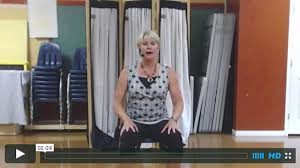
Recovering from a stroke can be quite challenging from both a psychological and physical perspective. In addition to completely experiencing a life-changing event, staying motivated with a daily intensive home exercise program can be a struggle. Once a client is discharged from the hospital, it will be important to maintain or improve their recovery by beginning an aggressive home exercise program immediately.
Arm and Hand Recovery Following Stroke and Other Neurological Injuries
NeuroRehab Team
Friday, February 26th, 2016
Arm and HandArm BikeBiofeedbackElectrical StimulationExercise AidsHand Function SplintsMirror TherapyMobile Arm SupportsNeuroplasticityRoboticsSubluxation SlingsVirtual Reality
The latest research shows that the brain is capable of rewiring and adapting after stroke. Therefore, arm and hand recovery is more possible than previously thought. However, in order to improve function in the upper limb, the client must be willing to incorporate the affected side purposefully, functionally, and repeatedly. In addition to functional training, other beneficial strategies include strength training, mental imagery, robotics, and gravity compensation.
Below are the key takeaway’s that highlight the current thinking from the scientific community.