Mental Practice After Stroke: How Motor Imagery Rewires the Brain for Recovery
NeuroRehab Team
Thursday, July 10th, 2025
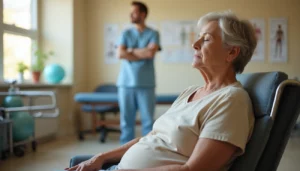
Mental practice works wonders for stroke recovery, though it might seem too simple to work. Our brains respond in amazing ways as we imagine doing movements that we can’t physically perform. Research shows that mental exercise creates changes in brain areas that associate with movement, like the primary motor cortex . The strongest scientific evidence confirms that mental practice helps improve upper body movement function .
My research into mental practice stroke rehabilitation has shown me something remarkable. This isn’t just another therapy option – it’s a proven method that improves recovery outcomes by a lot. The brain reorganizes its neural pathways through mental imagery techniques, which helps patients learn motor tasks after a stroke . Physical therapy combined with mental practice shows great results for arm function recovery, usually over 2 to 6 weeks . The concept is straightforward – you mentally rehearse physical movements without doing them. The benefits are life-changing, especially for stroke patients with limited mobility.
What is Mental Practice and How Does It Work?
That old saying “it’s all in your head” turns out to be right in part. Mental practice shows how we can rehearse physical movements in our minds without moving a muscle [1]. This technique lets you imagine performing an activity in detail while staying completely still.
Mental practice definition and concept
Mental practice (MP) does more than just daydreaming. Richardson describes it as “the symbolic practice of a physical activity in the absence of any gross muscular movements” [2]. Your brain runs through movements, tasks, or skills repeatedly – like watching a detailed movie in your mind. Picture yourself drinking from a cup, throwing a ball, or buttoning a shirt [2].
The science behind this works on a simple idea that researchers call “mind guides movement” [3]. Your brain changes during these mental practice sessions to help plan and execute future movements better. These changes show how your brain can create new neural pathways around damaged areas [3].
How it activates the motor cortex
The brain activity during mental practice tells an amazing story. Functional magnetic resonance imaging (fMRI) studies show that mental practice lights up the brain’s motor, sensory, and perception centers just like physical movement does [1].
Scientists have known this since 1931. Their research showed tiny muscle movements in volunteers’ biceps at the time they imagined bending their right arms [4]. A newer study, published in 2012 by researchers found that specific muscles activate during mental practice as if you were doing the actual movement [4]. The electrical activity in these muscles matches what happens during real movement [4].
Brain scans tell us even more. The same brain areas light up whether you move or just imagine moving [2]. Your brain’s internal forward model – its prediction system for movement – works for both real and imagined actions [4]. This mental practice then strengthens the neural circuits that help recover movement after stroke [5].
Mental practice vs. physical practice
These two approaches share neural pathways but work differently:
- Physical practice gives you feedback from ground results that mental practice can’t match
- Mental practice works anywhere without equipment or supervision, making it available even with major physical limitations [5]
- Combined approach works better than either method by itself
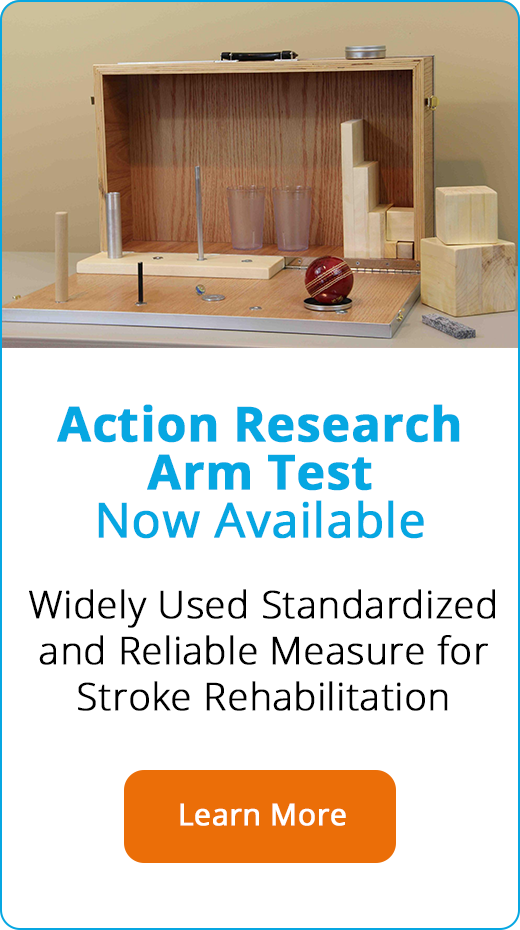
Research shows better results when people combine mental and physical practice. One study found that the Action Research Arm Test score jumped by 12.65 for people using both methods, while those doing only physical practice improved by 5.20 [6].
Studies prove that mental practice works best when paired with physical practice of the same skill. We used established movement patterns from physical practice to make this work [7]. This combination helps people learn movements faster and perform better in a variety of situations [7].
Mental practice gives stroke survivors a practical way to keep their neural pathways active even when they can’t move. This makes it a great tool during early recovery or for severely affected limbs when physical therapy options are limited.
The Science Behind Recovery: Neuroplasticity Explained
The brain has an amazing power that makes stroke recovery possible. This remarkable ability is the foundation of why mental practice techniques work so well.
What is neuroplasticity?
Neuroplasticity is your brain’s power to reorganize its structure and function throughout life, especially when you have an injury [8]. Scientists once thought this ability decreased in adulthood. Research now shows that neuroplasticity continues throughout our lives [9]. This process includes several mechanisms:
- Neural reorganization – formation of new connections between neurons
- Synaptic plasticity – modification of connection strength between neurons
- Axonal sprouting – neighboring neurons extending their axons to establish new connections
- Dendritic branching – growth of new neuronal branches for receiving signals
Neuroplasticity lets the brain generate new neurons, build fresh neural pathways, and modify cellular structures after stroke damage [8]. These changes happen not just where the injury is but also in distant regions and even the opposite hemisphere [8].
How repetition strengthens neural pathways
The science behind repetition’s power comes from a principle neuropsychologist Donald Hebb described in 1949: “Cells that fire together, wire together” [9]. This Hebbian-learning concept shows why practice makes neural connections stronger [10].
Stroke survivors who practice movements regularly (physically or mentally) trigger cellular and molecular changes. These changes make existing neural connections stronger and help create new ones [5]. Neurons then fire more efficiently. Synaptic connections grow stronger through long-term potentiation as new dendritic branches form [5].
Advanced neuroimaging studies show that intensive repetitive practice reshapes brain structure. It increases gray matter density in motor areas and strengthens white matter tracts [5]. Research on monkeys showed that physical practice after ischemic injury to the hand area of the primary motor cortex preserved hand function that would otherwise be lost [3].
Why mental imagery helps stroke rehabilitation
Mental practice of movements activates the same neural pathways as physical movement. This scientific principle explains why mental practice helps stroke rehabilitation so much.
Functional MRI studies confirm that imagining movements lights up the same brain regions as physical movement, including the primary motor cortex [10]. Muscles actually fire during mental practice as if you were doing the activity [7].
A compelling study of stroke survivors revealed better results. People who did both physical and mental practice learned new skills better than those who only practiced physically [7]. Research by Page and colleagues found that mental practice combined with modified constraint-induced therapy improved upper extremity function more than therapy alone [7].
Scientists call this “guided recovery” – extra input to damaged networks aids recovery beyond what’s normally possible [10]. Mental practice exemplifies guided recovery by activating specific neural circuits through targeted inputs [10].
This science explains why stroke survivors who struggle with grasp-and-release exercises show increased brain reorganization after following a mental practice routine [11]. Regular mental rehearsal awakens dormant neural pathways, strengthens existing connections, and creates new pathways [12].
Mental Practice for Stroke Patients with Limited Mobility
Mental practice gives stroke survivors with limited or no mobility hope when traditional physical therapy seems out of reach. The power of imagination becomes a vital rehabilitation tool if paralysis or severe weakness stops movement.
Using mental imagery when physical movement is not possible
Many stroke patients face times when they can’t move much or at all. Mental practice gives them a significant alternative that stimulates neural pathways even if their body won’t respond. Patients can get their motor cortex working through visualization despite physical limitations [4].
Mental imagery proves valuable because patients can practice anywhere without equipment or help. This makes it an ideal recovery technique if you have post-stroke paralysis or severe mobility issues [4]. Patients can mentally rehearse movements that activate the same brain regions as physical movement, even if they can’t move their affected muscles [4].
Mental practice motor learning for paralyzed limbs
The idea might seem strange, but research confirms that patients with complete paralysis can trigger neuroplasticity just by visualizing. A patient with leg paralysis can stimulate specific brain areas by mentally rehearsing movements like lifting their leg into bed [4]. This mental practice strengthens neural connections for the visualized movement and might restore communication between brain and affected muscles [4].
Stroke survivors usually practice visualizing:
- Simple movements (making a fist, lifting a limb)
- Daily activities (drinking from a cup, buttoning a shirt)
- Specific rehabilitation exercises (those prescribed by therapists)
Research shows that mentally rehearsing these activities lights up the same motor, sensory, and perception centers as physical performance [13]. This happens because visualization gets the mirror neuron system working, which helps the brain process sensory information as if you were doing the movements [14].
Combining mental and therapy for better results
Research strongly backs that mental practice works best when combined with regular therapy. One notable study showed patients who got both mental and physical practice improved substantially more in Action Research Arm Test scores (12.65 points) compared to those who only got physical practice (5.20 points) [15].
This combined approach boosts upper and lower limb function and improves overall performance in daily activities [4]. The method works best when mental practice sessions support physical therapy sessions rather than replace them [6].
A case study of acute stroke rehabilitation showed that starting mental practice early after stroke along with mirror therapy to help visualization and improved upper extremity function measured by the Fugl-Meyer Assessment [14]. Mirror therapy helped patients visualize movements of their affected limbs by watching their unaffected limbs’ reflections, which created clearer mental images [14].
The timing matters though. Most studies start mental practice during the chronic phase of stroke recovery, with fewer looking at its effects during acute or sub-acute phases [14]. This timing reflects the challenges of using mental imagery when patients might have impaired consciousness or trouble understanding instructions right after a stroke [14].
Effective Mental Imagery Techniques to Try at Home
Are you ready to practice mental imagery at home? Let’s look at specific techniques you can use today to help your stroke recovery.
Short vs. long visualizations
Your mental practice session length directly affects how well they work. Quick 3-5 minute sessions work best when you start or before physical attempts [1]. You can gradually extend sessions to 20-30 minutes as your visualization skills get better, which helps stimulate neuroplasticity [1]. Research that looked at different session lengths (20, 40, and 60 minutes) showed mental practice groups had better results, but the various durations made no real difference [16].
Internal vs. external imagery
Your viewpoint shapes how you visualize movements. Internal imagery lets you see through your own eyes in first-person view and feel sensations as you mentally perform tasks [17]. External imagery shows you watching yourself perform movements from outside in third-person view [1]. Both methods stimulate the brain and activate neuroplasticity well. Many therapists suggest using internal kinaesthetic imagery because it connects better with movement’s sensory aspects [17].
Simple vs. complex task rehearsal
Your mental imagery’s depth determines its effect. Simple visualizations focus on basic movements. Complex rehearsals add multiple sensory elements. You should try to picture textures, sounds, smells, and physical sensations during practice [1]. To cite an instance, when you picture getting dressed, feel the fabric texture on your skin and hear buttons fastening [1].
Using audio recordings for guided practice
Audio guidance makes mental practice work better. Stroke rehabilitation programs often use recorded instructions that guide patients through relaxation (3-5 minutes), detailed movement visualization (20 minutes), and end with refocusing exercises [7]. These recordings describe settings, movements from different angles, and related sensations [7]. You can find several commercial options like SaeboMind that offer structured mental practice exercises for daily activities [18].
Mental imagery examples for daily activities
Practical tasks to mentally rehearse include:
- Upper extremity activities: handwriting, eating, petting animals, counting money [19]
- Lower extremity activities: walking, balancing, standing, using stairs [19]
- Daily functions: turning book pages, brushing hair, wiping tables [20]
Note that consistency matters more than perfection—pick activities that matter to your recovery goals and practice them often.
How to Build a Consistent Mental Practice Routine
A consistent routine turns mental practice from an occasional exercise into a powerful recovery tool. You need to pay attention to several important factors to structure your practice well.
Choosing the right time and environment
The timing of your practice affects how well it works by a lot. You should pick times when your brain feels most alert and attentive [21]. Mental practice works really well between therapy sessions during early recovery (subacute phase). This lets your body rest while your mind does the work [21]. As you move into long-term recovery stages (months to years post-stroke), mental practice fits easily into your daily schedule without formal therapy programs [21].
Your practice space makes a difference. Look for a quiet area with few distractions. Most patients like to practice in a comfortable chair with their eyes closed to help them focus better. Each session usually takes 20-30 minutes [21]. Research that compared different lengths of time (20, 40, and 60 minutes) showed they all helped patients get better [22].
Tracking progress and staying motivated
You need to see your improvement to stay motivated. Write down your unguided practice sessions in a daily log [2]. Show these logs to your therapist when each session starts to talk about your progress [2]. This simple tracking helps you notice small improvements, which really helps when recovery seems to slow down [23].
Family caregivers can help you stick to your practice. You can work together with them to find motivation strategies that help you participate more in rehabilitation [7]. Think about what works best for you – your practice space, who you practice with, and the kind of feedback you prefer [7].
Working with a therapist or using apps
Professional guidance makes mental practice more effective. Therapists usually start by teaching you simple imagery principles before moving on to specific techniques [2]. They guide you through sessions that mix mental rehearsal with physical movements in short blocks tailored just for you [2].
Technology can help too. Apps like Constant Therapy give you personalized cognitive exercises that change based on what you need [24]. Rehabit helps you keep track of daily activities and provides exercise programs that support neuroplasticity [23]. Many apps come with features that show your progress in easy-to-understand reports [24].
Note that being consistent matters more than being perfect in mental practice. Even quick sessions between other activities help your recovery trip meaningfully.
Conclusion
Mental practice is a scientifically proven method that helps stroke patients recover. Our brain activates the same neural pathways whether we physically move or just imagine the movement. This makes mental practice a great tool, especially when physical movement is limited. The brain’s adaptability responds well to mental rehearsal, and regular practice builds stronger neural connections.
Studies show that patients who combine mental imagery with physical therapy get better results than those who only do physical therapy. Mental practice isn’t just an add-on – it’s a vital part of complete stroke rehabilitation. This technique works well for everyone, from patients with full paralysis to those who want to improve their partially recovered movements.
The quickest way to see results is to adapt your mental practice to fit your needs. Start with brief visualizations of basic tasks. Then slowly work up to longer sessions with more complex activities. You can practice these techniques anywhere without equipment or supervision.
Stroke recovery is challenging, but mental practice gives you a way to work on rehabilitation even when physical movement seems out of reach. Talk to your healthcare providers about adding these techniques to your daily routine.
Note that being consistent matters more than being perfect. Regular short sessions of mental imagery will substantially help your recovery over time. Your brain can adapt throughout your life, and mental practice lets you utilize this natural healing ability.
References
[1] – https://www.flintrehab.com/mental-practice-stroke-rehabilitation/?srsltid=AfmBOor3ofo7gL8gbjUGup8WYtWKZSooL9yM7xJELDrwCGuN4Xr_43ko
[2] – https://pmc.ncbi.nlm.nih.gov/articles/PMC2169252/
[3] – https://pmc.ncbi.nlm.nih.gov/articles/PMC5352696/
[4] – https://www.flintrehab.com/mental-practice-stroke-rehabilitation/?srsltid=AfmBOorWKDaf6Xp94QeesbF1YrF-ytI8USNGTY6X2fwaraqAPz43tdu-
[5] – https://brainqtech.com/blog/practice-makes-perfect-the-role-of-repetition-in-motor-recovery
[6] – https://pmc.ncbi.nlm.nih.gov/articles/PMC4241695/
[7] – https://www.ahajournals.org/doi/10.1161/strokeaha.114.004313
[8] – https://pmc.ncbi.nlm.nih.gov/articles/PMC10473303/
[9] – https://link.springer.com/article/10.1007/s10072-023-07012-3
[10] – https://academic.oup.com/brain/article/134/5/1373/287066
[11] – https://www.saebo.com/blogs/clinical-article/repetition-improves-stroke-recovery-time?srsltid=AfmBOopqS5tNyZPHfMCZJHHdlyK9lOUhDUdubkHi7qp9m8p03LmEGISt
[12] – https://www.saebo.com/blogs/clinical-article/mental-practice-stroke-recovery-using-mind-reclaim-movement?srsltid=AfmBOorcFEv4EXvZv4WZT_BlcDTpjjCP720t-cvhCrG2KhAwOnNqKEY8
[13] – https://www.saebo.com/blogs/clinical-article/mental-practice-stroke-recovery-using-mind-reclaim-movement?srsltid=AfmBOor-oTq6hs-SACncWmp8BlvDRt7cpHLG1wIiz66BPSh4ap4SbZye
[14] – https://pmc.ncbi.nlm.nih.gov/articles/PMC11144477/
[15] – https://pubmed.ncbi.nlm.nih.gov/25435713/
[16] – https://www.sciencedirect.com/science/article/pii/S2173580815001637
[17] – https://pmc.ncbi.nlm.nih.gov/articles/PMC3097892/
[18] – https://www.saebo.com/pages/saebomind?srsltid=AfmBOoqIeRNScXEXX7n34oMyVLJ__M32iupJi6EWWlF5DDiKQqsyxwBG
[19] – https://www.saebo.com/blogs/clinical-article/mental-practice-stroke-recovery-using-mind-reclaim-movement?srsltid=AfmBOoqd6rarbNrHAjotm46gHIazY03VQjUMEqILWC0dBJTIqIQV5O4A
[20] – https://www.sciencedirect.com/science/article/abs/pii/S0003999321011242
[21] – https://www.saebo.com/blogs/clinical-article/mental-practice-stroke-recovery-using-mind-reclaim-movement?srsltid=AfmBOorZ1Ez_4dcvwQN87owxmSXR87EnQM4CJQUzqcmfFPTWMc_v2hOJ
[22] – https://pmc.ncbi.nlm.nih.gov/articles/PMC3257862/
[23] – https://www.flintrehab.com/apps-for-stroke-patients/?srsltid=AfmBOoqFunGE9bSrMGoiutUXkJuXxXBz9F_KH7hkfRUAXLblzRJrb7eo
[24] – https://play.google.com/store/apps/details?id=com.constanttherapy.android.main&hl=en_US
Leave a Reply
You must be logged in to post a comment.