Free Vision Rehabilitation CEU for Occupational Therapists
NeuroRehab Team
Saturday, June 7th, 2025
Vision plays a critical role in nearly every daily activity. Reading, cooking, navigating a room, managing medications, and driving all depend on the brain’s ability to interpret visual information accurately and efficiently.
Left Side Neglect Following Stroke – There is more to the picture
Dorothee Zuleger, MOT, OTR/L, DRS
Thursday, April 26th, 2018
CognitionNeuroplasticitysensory stimulationVisionVisual Aids
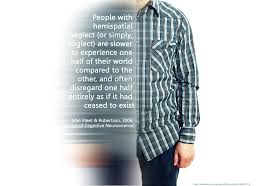
Damage to one side of the brain can cause a lack of attention to the opposite side. Most common is an inattention or neglect to the left side of the body after an injury to the right side of the brain due to stroke or traumatic brain injury. The brain attends to the right side with both hemispheres but attends to the left side with only the right hemisphere.
7 Visual Motor Training Devices For Stroke Recovery
NeuroRehab Team
Monday, July 31st, 2017
Following a stroke or other neurological injury, multiple vision disorders can occur including the inability to recognize objects, color vision deficits and difficulty with perceiving various types of motion. Approximately 20% of patients experience permanent visual deficits (Romano JG. J of Neurol Sci. 2008).
According to the National Stroke Association, homonymous hemianopia, which is the loss of one half of the visual field in each eye, is the most common visual disorder. Most people who have vision loss after a stroke do not fully recover their vision. Thankfully, some recovery is possible. Treatment and outcomes will depend on the type of vision impairment and its cause.
Listed below are 7 Visual Motor Training Devices that are currently available on the market that can assist with improving recovery.
Neuro Rehab Products. What’s right for me?
NeuroRehab Team
Thursday, April 27th, 2017
Arm and HandBalanceCognitionDysphagiaFoot Drop BraceLegNeuroplasticitySubluxation SlingsVision
Listed below are various clinical product categories that you may have learned while in therapy. Feel free to click on any category to see a list of products that may be appropriate for your needs.
Stroke/Neuro Products That Improve Strength and Function
NeuroRehab Team
Monday, April 3rd, 2017
Arm and HandCognitionCommunicationFoot Drop BraceLegMobilityNeuroplasticityVision
It is true that recovering from a stroke will be an uphill battle for many, however, it is also accurate that the latest research findings regarding neuro recovery are more promising than ever before. How serious are you with embracing evidence into your practice? As a clinician, are you stuck using numerous theoretical-based treatment concepts that have not scientifically been proven to be effective?
Listed below are some of the common interventions supported by research that have shown positive results. How many of the below techniques are in your current therapy toolbox? If just a few, then why?
Stroke Therapy Products That Help With Recovery
NeuroRehab Team
Friday, November 25th, 2016
Arm and HandCognitionLegVision
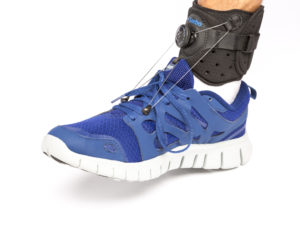
Listed below are various clinical product categories that you may have learned while in therapy. Feel free to click on any category to see a list of products that may be appropriate for your needs.
Top Stroke Treatment and Technology To Improve Recovery and Function.
NeuroRehab Team
Wednesday, September 7th, 2016
Arm and HandCommunicationLegNeuroplasticityVision
Following an extensive search of 100’s of stroke rehabilitation products and programs, we have summarized the best available products currently on the market for stroke recovery. The products are organized into relevant categories list below. Feel free to click on any category to see a list of products that may be appropriate for your needs.
New Online Stroke/Neuro CEU Courses Now Available.
NeuroRehab Team
Wednesday, August 24th, 2016
Arm and HandCEU'sCognitionCommunicationDysphagiaLegVision
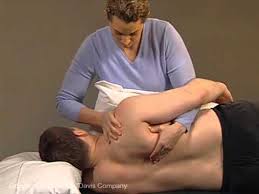
Now more than ever, occupational, physical and speech therapists are relying on evidence-based treatment to provide maximum outcomes for clients suffering from stroke and other neurological injuries. Get up-to-date with the latest advances in stroke/neuro treatment by enhancing your skills through continuing education courses.
Listed below are links to online training categorized into key groups. Feel free to click on the link to learn more about available courses.
10 Apps That Assist Stroke Patients With Vision Loss.
NeuroRehab Team
Monday, August 15th, 2016
AppsNeuroplasticityVisionVisual Aids
Most people who have decreased vision or double vision after a stroke do not fully recover. Some recovery is possible and it usually happens in the first few months after a stroke.
Stroke Treatment and Recovery. Are You Serious?
NeuroRehab Team
Friday, June 24th, 2016
Arm and HandFoot Drop BraceLegVision
It is true that recovering from a stroke will be an uphill battle for many, however, it is also accurate that the latest research findings regarding neuro recovery are more promising than ever before. How serious are you with embracing evidence into your practice? As a clinician, are you stuck using numerous theoretical-based treatment concepts that have not scientifically been proven to be effective?
Listed below are some of the common interventions supported by research that have shown positive results. How many of the below techniques are in your current therapy toolbox? If just a few, then why?
Vision Recovery Following Stroke
NeuroRehab Team
Thursday, March 17th, 2016
NeuroplasticityVirtual RealityVisionVisual Aids
Approximately 30% of all stroke patients suffer from post-stroke visual impairment (Sand KM. Acta Neurol Scand Suppl. 2013). Following a stroke or other neurological injuries, various types of vision deficits can occur including the inability to recognize objects, color vision deficits and difficulty with perceiving various types of motion. Approximately 20% experience permanent visual deficits (Romano JG. J of Neurol Sci. 2008). According to the National Stroke Association, homonymous hemianopia, which is the loss of one half of the visual field in each eye, is the most common visual disorder.