FES vs NMES After Stroke: How to Choose the Right Treatment
NeuroRehab Team
Thursday, January 8th, 2026
Stroke impacts millions of people worldwide. It caused about 5.5 million deaths and 116.4 million disability-adjusted life-years globally in 2016. Survivors face a tough path to recovery that often includes upper limb hemiparesis. This condition affects 55-75% of patients who still have trouble with arm function even after 3-6 months of rehabilitation. Comparing FES vs NMES as treatment options is vital to achieve the best recovery outcomes.
FES and NMES differ mainly in their therapeutic approach and implementation. Both methods employ electrical stimulation and show strong evidence of effectiveness in stroke, spinal cord injury, and brain injury cases. NMES works by stimulating neuromuscular activity in paretic limbs where normal electrical excitability often stays in lower motor neurons. FES targets functional movement and helps neuromuscular recovery specifically. Research shows that doctors can adjust FES parameters for many uses. These include shoulder subluxation treatment, upper extremity function improvement, ambulation support, and exercise help. The choice between these treatments depends on the patient’s specific needs and rehabilitation goals.
Understanding NMES and FES
Electrical stimulation technologies are powerful tools that help stroke patients recover. Therapists need to learn about how NMES and FES work differently. This knowledge helps them pick the right treatment for each patient’s recovery stage.
What is NMES?
Neuromuscular electrical stimulation (NMES) uses electrical current to make paralyzed or weak muscles contract [1]. The technology sends short electrical pulses that excite peripheral nerves by changing neuron hyperpolarization or depolarization [2]. NMES works only when lower motor neurons remain intact. This makes it useful for patients whose paralysis comes from upper motor neuron injury, which often happens in stroke [1].
A standard NMES device has several parts: electrodes (surface, percutaneous, or implanted), a stimulator (pulse generator), and a controller that manages stimulation timing and strength [1]. Medical professionals can adjust the electrical settings based on what the patient needs. Stimulation frequencies usually run between 12 to 50 Hz, pulse widths range from 0 to 300 μsec, and amplitudes go from 0 to 100 mA [1]. Muscles get tired quickly at higher frequencies, even though they create stronger forces [2].
NMES acts as a simple treatment that focuses on making muscles stronger, keeping joints moving, and stopping muscles from wasting away [1]. The treatment sends current through surface electrodes with fixed settings throughout the session. Patients don’t need to do much during the treatment [1].
What is FES?
Functional electrical stimulation (FES) takes NMES further by making electrical stimulation part of everyday tasks [3]. FES coordinates multiple paralyzed muscles’ contractions to create useful movements, unlike simple NMES [4]. The method uses gentle electrical pulses that help muscles contract in specific patterns. These patterns aid tasks like walking or grabbing objects [2].
FES is different from NMES because it matches electrical stimulation with planned movement to bring back function [5]. To name just one example, FES helps ankle muscles work better during walking by stimulating them at the right time [2]. Patients must take an active part since the stimulation timing matches exactly with their movements [6].
Today’s FES systems come in two main types: open-loop and closed-loop [6]. Open-loop systems run on preset patterns without patient input. Closed-loop systems use feedback from brain-computer interfaces (BCI) or electromyogram (EMG) controls [6]. These advanced systems let patients control stimulation with their thoughts, which speeds up their learning and recovery [6].
Why both are used in stroke rehab
NMES and FES each play important but different roles in helping stroke patients recover. NMES helps bring back voluntary movement and assists with lost movement [1]. It also makes muscles stronger, reduces muscle tightness, increases brain-to-muscle connections, and improves the brain’s ability to change [6].
FES aims to bring back motor skills through specific task training [6]. It merges electrical stimulation with real-world tasks. This promotes brain changes through repeated practice of meaningful movements [4]. The approach builds on motor learning principles that stress lots of specific task practice to help the brain reorganize itself [4].
Several factors determine whether to use NMES or FES:
- Recovery stage: NMES helps more in early recovery when patients can barely move. FES becomes more useful as patients start moving better [1].
- Treatment goals: NMES might work better if the goal is to prevent muscle loss or reduce tightness. FES usually gives better results for improving walking or grabbing things [3].
- Patient engagement: FES needs more active participation, so it works best for patients who can practice task-based training [6].
These methods often work best together as part of a detailed rehabilitation plan. Therapists might start with NMES to strengthen muscles and prevent wasting, then move to FES to retrain everyday movements as the patient improves. Research shows that using both methods together might lead to better long-term results than using just one [4].
New rehabilitation technologies keep improving. Systems that combine both approaches with advanced controls show great promise for stroke rehabilitation [5].
Key Differences Between FES and NMES
FES and NMES have key differences in their application, patient involvement, and therapeutic goals. Both technologies create muscle contractions through electrical stimulation, but they serve different purposes in stroke rehabilitation.
Purpose and goals of each modality
NMES’s main goal is to strengthen muscles, prevent atrophy, and increase joint range of motion when patients can’t move actively [2]. This electrical stimulation follows preset patterns that create muscle contractions. These contractions can reach 60-70% of a patient’s maximum voluntary contraction [2]. NMES uses higher amplitudes than FES because it focuses on creating strong muscle contractions instead of functional movements [2].
FES works differently. It restores motor skills by using electrical impulses to create purposeful, functional movements [6]. Instead of just strengthening specific muscles, FES combines stimulation with everyday activities like walking, standing from chairs, or grasping objects [2]. This method works with the brain’s ability to rewire itself and helps patients learn motor skills by focusing on specific tasks that rebuild neural pathways damaged by stroke [6].
Your recovery goals help determine which method works best:
- NMES works well when you need to strengthen muscles and increase range of motion
- FES becomes useful when you want to recover functional movements for specific tasks [7]
Active vs passive participation
The biggest difference between these methods is how much the patient takes part. NMES works passively as patients receive stimulation from preset programs without needing to engage in movement [5]. Patients might stay completely still or just contract muscles without doing any functional tasks [6].
FES needs active involvement and combines electrical stimulation with voluntary movements during everyday activities [2]. This active participation is crucial because patients must engage actively to learn motor skills [5]. When electrical stimulation matches the patient’s intended movements, FES creates stronger brain-muscle connections that make recovery easier [2].
Modern closed-loop FES systems boost this active participation through feedback systems like brain-computer interfaces (BCI) or electromyogram (EMG) controls [6]. These systems read the patient’s intentions or muscle activity and adjust stimulation to match. This creates a responsive environment that helps the brain form new connections [6].
Timing and task integration
NMES happens in fixed positions without functional movement [5]. The stimulation follows set patterns and timeframes based on the therapy plan rather than matching specific tasks [6]. This method targets individual muscle groups with consistent stimulation settings throughout the session.
FES matches stimulation exactly with functional tasks [7]. To cite an instance, during walking practice, FES activates ankle muscles at just the right time – lifting the foot during the swing phase and pushing off during the stance phase. This creates a more natural walking pattern [7]. This precise timing makes FES especially helpful for relearning movement skills [2].
The technical settings also differ between these methods. FES uses shorter pulse frequencies (20-60 pulses per second)and lower power levels compared to standard NMES [2]. FES increases power only until it achieves the needed movement, while NMES often uses the highest comfortable level to create maximum muscle contraction [2].
Both approaches are great ways to help stroke patients recover, and they often work well together during rehabilitation. All the same, knowing these key differences helps medical teams pick the right treatment based on each patient’s needs and recovery stage.
How NMES Works in Stroke Recovery
Neuromuscular electrical stimulation (NMES) is a core therapeutic approach that helps stroke survivors recover. It works by sending electrical impulses to activate weakened or paralyzed muscles. Clinicians can use NMES to treat several issues at once, from weak muscles to limited joint movement.
Muscle strengthening and atrophy prevention
Stroke patients often experience muscle weakness and atrophy on their affected side because they can’t activate their muscles. NMES helps by stimulating lower motor neurons to make muscles contract even when patients can’t move them on their own. This stimulation keeps muscle protein synthesis going and helps curb protein breakdown during times when patients can’t move [3].
NMES creates involuntary muscle contractions that work more muscle fibers than exercises alone. This makes it valuable in early recovery [8]. Most protocols use 18 to 50 Hz with pulse durations of 0.1 to 0.4 ms, though some go up to 80 to 100 Hz [9]. Doctors can adjust these settings to get the best muscle activation with less fatigue.
Research shows NMES builds muscle strength after stroke, working best in the early recovery phase [1]. Studies of mild-to-moderate stroke patients with NIHSS scores below 12 showed by a lot smaller drops in quadriceps muscle thickness on the affected side when they got NMES [10]. Patients who received NMES early in their recovery showed better motor function that lasted at least 6 months after treatment ended [2].
Key benefits to curb atrophy include:
- Making muscles work when patients can’t contract them
- Keeping muscle size stable
- Keeping muscles responsive
- Helping strength last longer
Improving joint range of motion
NMES helps stroke patients move their joints better. Meta-analyzes confirm that NMES increases range of motion more than control treatments (2.87 [95% confidence interval, 1.18–4.56]) [9]. This happens in two ways: it reduces muscle tightness and prevents tissue from getting stiff.
NMES works better than control treatments at reducing spasticity (−0.30 [95% confidence interval, −0.58 to −0.03]) [9]. It works through Ib inhibition of tight muscles and increased sensory input [10]. Clinical studies found Modified Ashworth Scale (MAS) scores dropped after NMES treatment, especially in the ankle [10].
NMES improves shoulder function better than regular stroke treatment alone [2]. To name just one example, see how NMES on deltoid and supraspinatus muscles helps shoulder movement and prevents it from slipping out of place [2]. Wrist function takes at least 3 weeks of NMES before showing better results than control groups [2].
Limitations in functional improvement
NMES builds strength and improves movement range but has some limits when it comes to functional improvements. This shows a key difference between FES and NMES approaches. NMES helps with daily activities, but its effect on functional motor skills isn’t as clear in many studies [1]. This difference comes from how we measure functional improvements and how recovery works.
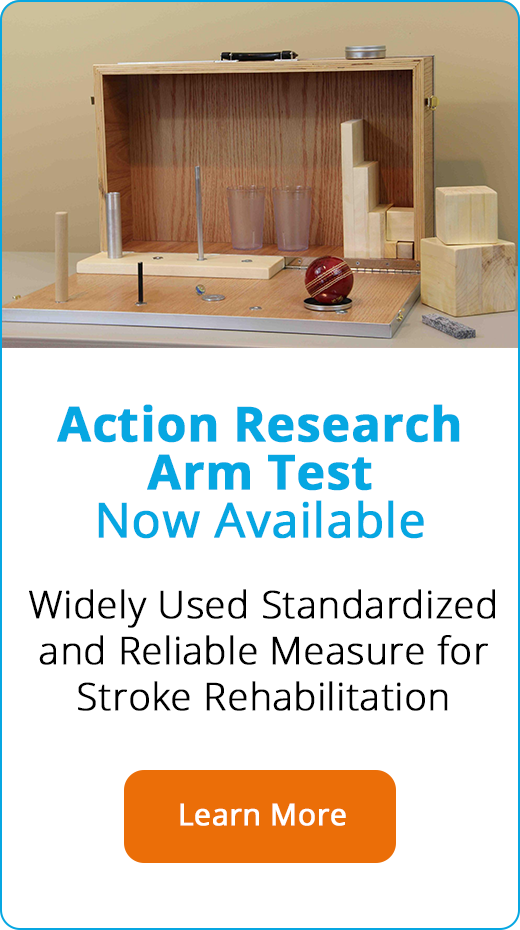
The Action Research Arm Test looks at how “normally” patients can do tasks, while the Barthel Index looks at whether patients can do tasks on their own, no matter how they move [1]. So NMES might help patients do daily activities better without improving their standardized functional motor scores.
These limits become clear when comparing NMES to FES. Regular NMES doesn’t work with specific tasks like FES does, so it misses chances for motor relearning through functional movements [4]. NMES might make muscles stronger and more flexible, but these improvements don’t automatically lead to better function without task-specific training [4].
NMES works better at certain times, with better results in early versus late recovery [1]. Patients with severe weakness improve a lot with NMES, but those with moderate weakness might not see the same benefits [1]. We don’t see differences in functional measures like Motricity Index (MI) and Functional Ambulation Categories (FAC), which shows these limits [10].
Doctors often start with NMES and add FES as patients recover, using both for complete rehabilitation. NMES lays the groundwork by protecting muscle health and joint movement. FES builds on this by combining electrical stimulation with functional tasks to help the brain rewire and learn motor skills.
How FES Supports Functional Recovery
FES helps restore movement by coordinating muscle activation patterns that copy natural motion. Unlike NMES which makes isolated muscles stronger, FES blends electrical stimulation with meaningful tasks to rebuild neural pathways damaged by stroke.
Task-specific movement training
Task-specific training is the life-blood of effective stroke rehabilitation, and FES excels at this approach. Patients practice specific movements they want to recover, while electrical stimulation helps at just the right moment. This technique lets people with limited or no voluntary movement do functional tasks they couldn’t do on their own [11].
FES creates functional movements through low-energy electrical pulses that make muscles contract in specific sequences [4]. The stimulation uses balanced, biphasic current-regulated pulses with amplitudes ranging from 8 to 50 mA, pulse widths of 250 μs, and frequencies around 40 Hz [12].
The rehabilitation process with FES follows this progression:
- Patient imagines performing the movement
- Patient attempts the movement using their own strength
- Patient attempts the movement with FES assistance [12]
FES bridges the gap between intention and action. The amount of stimulation decreases as patients regain voluntary control, leading to independent movement without electrical help.
Neuroplasticity and motor learning
FES works by stimulating both afferent sensory and motor nerve fibers, which creates lasting brain plasticity [4]. The treatment combines motor intention and sensory feedback to strengthen neural connections.
Multiple pathways drive neuroplasticity with FES. The system creates antidromic activation of motor nerve fibers, which become polarized at the anterior horn cell. When FES-induced antidromic impulse combines with voluntary movement, it promotes pre- and postsynaptic coupling and synaptic remodeling – crucial elements for neural plasticity [4].
Neural connections grow stronger through Hebbian learning principles (“neurons that fire together wire together”) [13]. FES reinforces neural circuitry by syncing motor cortex intention with proprioceptive feedback during limb movement.
Patients who respond well to FES can plan movements correctly and see them as self-generated when they combine voluntary intention with electrical stimulation [14]. This updates their motor control loop and creates lasting new functional connections.
Examples: walking, grasping, reaching
FES helps stroke recovery in many functional activities for both upper and lower body parts. Walking rehabilitation uses FES to stimulate dorsiflexor muscles during the swing phase of gait, which creates more natural ankle movement [4]. Advanced methods stimulate both the gluteus medius for better pelvic stability during stance and the tibialis anterior during swing phase, improving walking symmetry and speed [4].
Upper limb recovery benefits from FES support for various grasping patterns, even in patients with minimal control. These patterns include:
- Palmar grasp for holding objects like balls
- Lateral grasp for holding trays
- Tripod grip for writing with pens
- Two-finger opposition for precision tasks [12]
Reaching protocols now cover many functional movements, including sideways reaching, forward reaching and retrieving, and hand-to-mouth motions [12]. Research shows that FES therapy improves object manipulation, palmar grip torque, and pinch grip pulling force better than conventional therapy alone [15].
Evidence supporting FES keeps growing. Studies reveal that combining FES with conventional therapy gets better resultson standardized measures like the Fugl-Meyer Assessment and Action Research Arm Test [16]. These compelling results explain why FES has become vital in comprehensive stroke rehabilitation programs focused on functional recovery.
Comparing Parameters: FES vs NMES
Technical parameters of electrical stimulation directly affect therapeutic outcomes for stroke patients. Clinicians need to understand the differences between FES and NMES parameters. This knowledge helps them create optimal treatment protocols based on individual patient needs and rehabilitation goals.
Stimulation frequency and intensity
FES and NMES frequency settings typically range from 20-50 Hz, but their applications serve different purposes [17]. Stronger muscle contractions come from higher frequencies, but they lead to faster fatigue – a key factor in rehabilitation sessions. Studies show that reducing stimulation frequency from 100 Hz to 25 Hz cuts muscle fatigue from 76% to 39% during electrical stimulation exercises [17].
NMES treatments maintain constant frequencies throughout sessions to target muscle strengthening. FES systems, however, can adjust frequencies to match specific task requirements. Research points out that 30 Hz maintains force better than decreasing frequency patterns (30 Hz to 15 Hz) [5].
Clinical FES applications typically use current amplitudes between 10-28 mA [18]. NMES protocols use higher intensities between 16-18 mA [19], sometimes reaching 40-60 mA [20] for stronger muscle contractions. Patients with 50% more thigh subcutaneous fat need 48-59% higher current amplitude to achieve full knee extension [17].
Waveform types and pulse duration
Patient comfort and treatment effectiveness depend heavily on waveform characteristics. Common waveform types include:
- Monophasic waves: Single-direction current flow
- Biphasic waves: Balanced current flow in both directions
- Burst (polyphasic) waves: Multiple pulses grouped together [2]
Monophasic and biphasic waveforms offer better results than burst waveforms in clinical applications [2]. Biphasic symmetrical waveforms prove more comfortable while maintaining effectiveness.
NMES pulse duration (pulse width) ranges between 150-300 μs [21]. Smaller muscles need shorter durations (150-200 μs), while larger muscles require longer durations (200-300 μs) [21]. FES applications commonly use pulse widths between 300-600 μs for dynamic movements [5]. Research shows wider pulse durations (500-1000 μs) may result in lower fatigue indices [5].
Studies comparing various pulse widths (50, 200, 500, and 1000 μs) revealed that wider pulse widths created stronger contractions and improved contractile properties [5]. FES cycling specifically uses pulse durations between 300-600 μs [5].
Triggering methods: manual, EMG, EEG
Triggering mechanisms represent the biggest difference between simple NMES and advanced FES systems. Traditional NMES devices rely on manual triggering where clinicians or patients activate stimulation [22].
Advanced FES systems use sophisticated triggering methods:
EMG-triggered FES uses electromyography sensors to detect residual muscle activity. Stimulation starts when voluntary effort reaches a preset threshold [19]. This method syncs electrical stimulation with the patient’s movement intention, creating a powerful connection that improves neuroplasticity [2]. EMG-triggered systems place measuring and stimulating electrodes 1 cm apart on target muscles [19].
EEG-triggered FES represents innovative rehabilitation technology that detects movement intention directly from brain activity [22]. These brain-computer interfaces use event-related desynchronization/synchronization (ERD/ERS) patterns from motor imagery to trigger stimulation [2]. Studies indicate EEG-FES interfaces might work better than manually triggered FES by combining motor imagery with stimulation [22].
Manual systems have given way to biofeedback-triggered systems, marking the line between traditional NMES and modern FES approaches. This progress has turned electrical stimulation from a passive treatment into an interactive therapy that works with the patient’s nervous system at multiple levels.
Clinical Evidence and Effectiveness
Multiple randomized controlled trials (RCTs) and meta-analyzes show strong evidence that both FES and NMES work well in stroke rehabilitation. These clinical studies are a great way to get insights about which approach might work best for specific patient groups.
Summary of RCTs and meta-analyzes
Research strongly backs the role of electrical stimulation in stroke recovery. The largest longitudinal study analyzing 37 RCTs with 2309 patients showed that electrical stimulation combined with conventional rehabilitation therapy (CRT) helped improve ankle dorsiflexion range of motion and lower extremity Fugl-Meyer Assessment (FMA-LE) scores in patients with foot drop after stroke [6]. A large-scale network meta-analysis looked at 106 RCTs with 7513 stroke patients and confirmed that adding electrical stimulation to routine rehabilitation training helped overall rehabilitation outcomes [7].
Looking at upper limb function, a systematic review of 48 randomized controlled trials with 1712 patients revealed different electrical stimulation protocols. The frequencies ranged from 14-100 Hz and treatment lasted anywhere from 1 day to 5 months [23]. A meta-analysis of 25 studies highlighted positive outcomes for FES-based rehabilitation systems in upper limb functional movement recovery [24].
FMA and ARAT score improvements
Clinical trials consistently report better results in standardized assessment measures. Meta-analyzes of FES interventions show meaningful improvements in Fugl-Meyer Assessment Upper Extremity (FMA-UE) scores across different control systems: manually controlled FES (mean difference = 5.6, 95% CI: 3.77-7.5, P < 0.001), BCI-controlled FES (mean difference = 5.37, 95% CI: 4.2-6.6, P < 0.001), and EMG-controlled FES (mean difference = 14.14, 95% CI: 11.72-16.6, P < 0.001) [24].
EMG-controlled FES showed substantial improvement in Action Research Arm Test (ARAT) scores (mean difference = 11.9, 95% CI: 8.8-14.9, P < 0.001) [24]. On top of that, electrical stimulation therapy improved ARAT scores right after treatment (SMD = 0.70, 95% CI: 0.39-1.02) and these benefits lasted during follow-up (SMD = 0.93, 95% CI: 0.34-1.52) [23].
Which system shows better outcomes?
Clinical evidence points to different systems excelling in specific contexts. Contralaterally controlled FES (CCFES) produced better outcomes than conventional NMES for upper extremity Fugl-Meyer assessment (SMD = 0.41, 95% CI: 0.21-0.62, p<0.0001) [25]. It also improved active range of motion (SMD = 0.61, 95% CI: 0.29-0.94, p=0.0002) [1].
NMES with 20-30 Hz frequency range works best for improving motor function, while TENS at 100 Hz seems ideal for improving daily living activities [7]. Research shows that applying stimulation during the recovery phase (1-6 months post-stroke) leads to better improvement in ankle dorsiflexion range compared to acute (<1 month) or sequelae (>6 months) phases [6].
Among various stimulation technologies, electroacupuncture and EMG-biofeedback therapy rank higher than both FES and NMES for improving ankle dorsiflexion [6]. In spite of that, combining appropriate electrical stimulation with conventional rehabilitation consistently works better than conventional approaches alone.
Choosing the Right Treatment After Stroke
A patient’s specific factors determine the right electrical stimulation approach after stroke. The distinct properties of FES vs NMES make treatment decisions crucial. These decisions can dramatically affect recovery outcomes.
Factors to consider: severity, stage, goals
Stroke severity plays a direct role in treatment selection. Patients with mild paralysis show functional improvement with weak NMES below motor threshold combined with traditional rehabilitation [2]. EMG-triggered NMES becomes a viable option for patients with moderate paralysis to restore motor function [2]. Patients with severe paresis might benefit from EEG-triggered NMES when surface EMG cannot detect signals [2].
Recovery stage plays an equally vital role. Studies show that NMES application during the subacute phase (within 3 months post-stroke) leads to better motor function improvement than during chronic stages [26]. Acute stroke patients with severe motor deficits need at least 10 hours of NMES over 4 weeks combined with regular rehabilitation. This approach improves their upper extremity recovery [27].
Treatment goals guide the choice of modality. NMES works best to strengthen muscles, reduce spasticity, and increase range of motion while active movement remains limited [10].
When to use NMES vs FES
NMES shows the best results early in stroke recovery when patients have minimal voluntary movement [10]. High-dose (60 minutes) and low-dose (30 minutes) NMES protocols yield similar motor function improvements during this phase [27].
FES becomes the better choice when functional recovery takes priority, especially during task-specific training like grasping objects or walking [10]. FES excels at correcting foot drop by increasing dorsiflexor strength during the swing phase of gait [4]. FES treatment of both hip abductors and dorsiflexors helps improve overall gait symmetry and walking speed [4].
Combining both for optimal results
The most effective rehabilitation programs combine both approaches smoothly. NMES helps strengthen muscles and prevent atrophy at first. As recovery progresses, FES supports functional movement retraining [10].
Emerging Technologies and Future Trends
Rehabilitation technology advances have made the boundaries between FES and NMES less clear. New innovations are changing how doctors deliver electrical stimulation therapies. The difference between FES and NMES has become more complementary than rigid.
Closed-loop systems and hybrid devices
BCI-controlled FES marks a breakthrough in stroke rehabilitation. These systems help translate brain signals into functional movement [28]. Patients’ EEG signals during motor imagery tasks are analyzed to trigger FES stimulation [16]. EMG-controlled FES systems adapt stimulation parameters based on up-to-the-minute muscle activity data, unlike conventional NMES with fixed patterns [29]. AI technology now uses SVM-based models to estimate muscle fatigue from EMG signals, which creates patient-specific stimulation protocols [30].
Integration with VR and robotics
VR technology improves both FES and NMES by putting patients in pre-programmed therapy environments [29]. Patients visualize movements shown in the virtual world while they receive synchronized electrical stimulation [29]. Hybrid neuroprostheses combine robotic assistance with electrical stimulation to overcome each method’s limitations [3]. These combinations are portable because electrical stimulation reduces the force needed from robotic parts [3].
Flexible electronics and wearable FES
New textile-based flexible wearable systems help with gait rehabilitation. These systems send power to paretic ankles as patients walk [8]. Soft exosuits are lightweight and help improve paretic limb ground clearance and forward movement [8]. The AirExGlove design provides adaptive rehabilitation for clenched fist deformity. It works better ergonomically than traditional systems [8].
Conclusion
The difference between FES and NMES is significant for clinicians who work with stroke survivors. NMES helps strengthen muscles, prevents atrophy, and improves range of motion. FES takes a different approach by restoring functional movement through task-specific training. Both methods are great ways to help patients when used at the right time during recovery.
The right timing makes a big difference in treatment choices. Patients with minimal voluntary movement benefit most from NMES early in their rehabilitation. It helps prevent muscle atrophy and keeps joints mobile. As patients start regaining motor control, FES becomes more valuable. It helps them relearn functional movements through active participation.
Patient-specific factors shape treatment decisions. The stroke’s severity, recovery stage, and rehabilitation goals determine whether to use NMES, FES, or both together. Research shows that combining these approaches often works better than using just one. These technologies complement each other rather than compete.
Technology keeps changing both treatments. Closed-loop systems, brain-computer interfaces, and EMG-triggered stimulation are blurring the lines between FES and NMES. Virtual reality, robotics, and wearable systems create new ways to make rehabilitation more effective and available.
Choosing between FES and NMES isn’t about picking one over the other. It’s about using the right tool at the right time. Clinicians who know each approach’s unique benefits can create personalized programs that grow with their patient’s recovery. This careful progression from muscle preservation to functional recovery helps stroke patients realize their rehabilitation potential, which improves their quality of life and independence.
Key Takeaways
Understanding the differences between FES and NMES empowers clinicians and patients to make informed decisions about stroke rehabilitation, optimizing recovery outcomes through targeted electrical stimulation approaches.
• NMES strengthens muscles and prevents atrophy during early recovery, while FES focuses on functional movement restoration through task-specific training with active patient participation.
• Treatment timing is crucial: Use NMES when patients have minimal voluntary movement, then progress to FES as motor control improves for functional skill retraining.
• Combined approaches yield superior outcomes – integrating both modalities throughout recovery stages maximizes rehabilitation potential better than using either treatment alone.
• Patient-specific factors determine optimal selection: Stroke severity, recovery stage, and rehabilitation goals guide whether to use NMES, FES, or hybrid approaches.
• Emerging technologies blur traditional boundaries through closed-loop systems, brain-computer interfaces, and wearable devices that enhance both treatment effectiveness and accessibility.
The key to successful stroke rehabilitation lies not in choosing between FES and NMES, but in understanding when and how to apply each approach strategically throughout the recovery journey.
References
[1] – https://pmc.ncbi.nlm.nih.gov/articles/PMC10915254/
[2] – https://pmc.ncbi.nlm.nih.gov/articles/PMC5576704/
[3] – https://onlinelibrary.wiley.com/doi/10.1111/aor.14618
[4] – https://pmc.ncbi.nlm.nih.gov/articles/PMC8984173/
[5] – https://pmc.ncbi.nlm.nih.gov/articles/PMC3375668/
[6] – https://www.sciencedirect.com/science/article/pii/S1052305725000588
[7] – https://www.sciencedirect.com/science/article/abs/pii/S0003999325004964
[8] – https://iopscience.iop.org/article/10.1088/1741-2552/ac36aa
[9] – https://www.ahajournals.org/doi/10.1161/STROKEAHA.115.009633?doi=10.1161/STROKEAHA.115.009633
[10] – https://www.saebo.com/blogs/advice/electrical-stimulation-for-stroke-rehab-how-nmes-ses-and-tens-boost-recovery?srsltid=AfmBOoqDG5RKQjqlJdMzyX2pjGozer0LTpL6b9VvAzzjb4zMKItRluX0
[11] – https://my.clevelandclinic.org/health/treatments/21163-functional-electrical-stimulation-fes
[12] – https://pmc.ncbi.nlm.nih.gov/articles/PMC7364342/
[13] – https://www.anatomicalconcepts.com/articles/fes-encourages-neuroplasticity-and-why-thats-a-good-thing
[14] – https://pmc.ncbi.nlm.nih.gov/articles/PMC8002039/
[15] – https://pubmed.ncbi.nlm.nih.gov/18971385/
[16] – https://www.frontiersin.org/journals/neurology/articles/10.3389/fneur.2023.1272992/full
[17] – https://pmc.ncbi.nlm.nih.gov/articles/PMC5832057/
[18] – https://www.nature.com/articles/s41598-020-77664-0
[19] – https://www.mdpi.com/2076-3425/10/2/80
[20] – https://www.sciencedirect.com/science/article/abs/pii/S0003999325003235
[21] – https://www.physio-pedia.com/Neuromuscular_and_Muscular_Electrical_Stimulation_(NMES)
[22] – https://www.sciencedirect.com/science/article/abs/pii/S1746809421002597
[23] – https://www.strokeguideline.org/app/uploads/2023/02/Q28-evidence-table.pdf
[24] – https://pubmed.ncbi.nlm.nih.gov/38145118/
[25] – https://www.frontiersin.org/journals/neurology/articles/10.3389/fneur.2024.1340248/full
[26] – https://pmc.ncbi.nlm.nih.gov/articles/PMC8904887/
[27] – https://www.ahajournals.org/doi/10.1161/strokeaha.109.574160
[28] – https://www.sciencedirect.com/science/article/pii/S0361923025001662
[29] – https://pmc.ncbi.nlm.nih.gov/articles/PMC10739305/
[30] – https://www.frontiersin.org/journals/bioengineering-and-biotechnology/articles/10.3389/fbioe.2025.1619247/full
Leave a Reply
You must be logged in to post a comment.