Why High-Dose Repetition Matters in Stroke Rehab: Unlocking Neuroplasticity Through Intensity
NeuroRehab Team
Tuesday, August 5th, 2025
Stroke stands as the primary cause of long-term disability worldwide. It creates massive medical and financial burdens for about 80 million survivors across the globe . Standard rehabilitation efforts don’t prevent most patients from experiencing the most important disabilities as they enter the chronic phase of recovery . Research shows a concerning gap in current treatment methods – patients get less than 8 minutes of daily therapy to help their upper limb recovery during early stages .
Research proves that real improvements need therapy sessions that are 240% longer than current care standards . This gap shows why high-dose repetition has become crucial for stroke recovery based on neuroplasticity. The brain’s ability to rewire and reorganize itself through neuroplasticity gives hope for recovery with the right rehabilitation targets . The largest longitudinal study of 30 research papers with 1,750 participants proves a clear connection between therapy dose and recovery. Higher therapy doses led to meaningful improvements in how patients function . Many effective methods target enhanced plasticity in the ipsilesional hemisphere. The increased activity and connections in this area relate to better functional outcomes . Knowing how to tap into the potential of neuroplasticity after stroke through proper intensity and repetition has become crucial to maximize recovery potential.
Understanding Neuroplasticity After Stroke
The brain knows how to reorganize itself throughout life. This remarkable quality, called neuroplasticity, becomes significant after a stroke. The brain tries to make up for damaged tissue and bring back lost function.
What is neuroplasticity?
Neuroplasticity refers to the brain’s power to adapt and reorganize its structure and function. It responds to different stimuli like environmental changes, learning experiences, and injuries such as stroke [1]. This adaptive quality lets structural and functional changes happen that might restore capabilities through different neural pathways.
The core of neuroplasticity involves several key mechanisms. Synaptic plasticity lets neurons change their connection strength based on activity. This helps vital processes like memory formation and learning [1]. In stark comparison to this, scientists used to believe the adult brain was fixed. Research has now showed that neurogenesis—the creation of new neurons—happens in the adult brain too. This adds to its healing powers [1].
Neuroplasticity demonstrates itself through processes like dendritic remodeling, axonal sprouting, and cortical reorganization. Neighboring neurons extend their axons to create new connections with damaged brain regions during axonal sprouting. Dendritic branching changes the neuronal branches that receive signals [1]. On top of that, functional remodeling lets healthy regions take over the jobs of damaged areas [1].
How stroke disrupts and reshapes brain networks
Stroke effects go way beyond the visible injury site. While structural damage stays in one spot, problems occur in areas far from the damage [2]. This explains how an injury in one place can disrupt brain functions nowhere near the injury boundaries [2].
The brain shows clear patterns of network disruption after a stroke. Advanced imaging research has found a general pattern of network dysfunction. Communication between the two brain halves decreases while connections within each half that should stay separate become oddly linked [2].
Scientists have found the biggest changes in functional connectivity between patients and healthy controls. These changes showed less connection between brain halves, along with more connections within each half between networks that usually stay separate [2]. The brain tries to make up for damage through what scientists call “diaschisis”. This happens when areas connected to the injury change even without direct damage [3].
Research has showed that changes in functional connectivity better predict memory problems. Motor and visual problems associate more with injury location [2]. This difference shows why different types of post-stroke problems might need varied treatment approaches.
Why repetition is key to recovery
The brain’s plastic nature creates the biological foundation for stroke rehabilitation. Animal studies show subjects must perform hundreds of movement repetitions daily to drive neural reorganization [4]. This raises important questions about current human rehabilitation methods.
Evidence suggests that current rehabilitation might not provide enough task-specific practice to create needed neural changes for the best recovery [4]. Animal models do hundreds of daily repetitions for upper body practice and thousands for walking. Human rehabilitation sessions fall substantially short of these numbers [4].
Repetitive task training works in multiple ways. Regular motor practice reduces muscle weakness and spasticity. It also creates the physiological foundation for motor learning [4]. Sensorimotor coupling helps adapt and recover neuronal pathways [4]. The brain builds new neural connections through repetition that can bypass damaged areas and restore function [5].
The timing of high-repetition therapy makes a big difference. Animal model studies have showed that the most important recovery advances happen during a short window of increased neuroplasticity after stroke [1]. This critical period offers the best environment for neuroplastic changes and functional recovery [1].
Research shows that lots of practice—possibly hundreds of daily repetitions—might be needed to create lasting neural changes and optimize motor learning after stroke [4]. This suggests that rehabilitation approaches might need a complete rethink to match what’s needed for effective neuroplasticity.
Why Intensity and Repetition Matter in Stroke Rehab
Rehabilitation intensity is vital to recover function after stroke. Research points to a clear relationship between therapy amount and recovery. Patients who receive more therapy have better outcomes in stroke rehabilitation.
The concept of high-dose therapy
High-dose therapy involves intensive, repeated practice of specific tasks to regain lost function. This approach is different from traditional therapy because it focuses on the quantity and frequency of repetitions rather than just the quality or type of exercise. High-dose therapy builds on the idea that neuroplasticity happens through consistent, challenging practice.
Animal studies inspired this concept. These studies show subjects performing hundreds of daily repetitions to reshape neural connections. Human rehabilitation sessions provide nowhere near the repetitions needed for the best recovery [6]. To cite an instance, high-dose protocols might include thousands of walking steps per session compared to just a few hundred in standard care [7].
Brain-derived neurotrophic factor (BDNF) is a vital protein that aids neuroplasticity. It increases with aerobic exercise and helps create new neural pathways [5]. Through this process, high-dose therapy creates conditions where the brain can “rewire” itself and build alternative neural connections to make up for damaged areas.
Evidence from clinical trials
Clinical evidence strongly backs the success of high-intensity rehabilitation. Meta-analyzes and large-scale randomized controlled trials show that high-intensity therapy, delivered in large doses or over long periods, leads to better outcomes [5].
A detailed review of over thirty trials showed that repetitive task training improved arm function, hand function, and lower limb capabilities [8]. Walking distance went up by 34.8 meters on average, which is a big deal as it means that patients saw real improvements [2]. Functional ambulation and standing balance also showed notable improvements with standardized mean differences of 0.35 and 0.24 [2].
The Determining Optimal Post-Stroke Exercise (DOSE) trial revealed something interesting. Higher-dose programs helped patients walk 60 meters further compared to control groups [7]. These benefits lasted through the first year after stroke, which suggests long-term brain changes [7].
The most compelling evidence comes from a study of very high-dose therapy (90 hours over 3 weeks). It showed significant immediate gains and continued improvement after therapy ended [9]. Six months after therapy, 61.6% of patients had exceeded clinically important difference thresholds. This proves that intensive therapy can create lasting benefits [9].
How to increase neuroplasticity after stroke
Here are evidence-based approaches that boost neuroplasticity through high-dose rehabilitation:
- Repetitive task training – Regular practice of specific functional movements like grasping objects or walking reshapes neural connections. Both quality and quantity of repetitions matter. Mindful, focused practice works better than mechanical repetition [6].
- Constraint-Induced Movement Therapy (CIMT) – CIMT restricts the unaffected limb to force use of the affected side. This helps overcome learned disuse and promotes adaptive plasticity [5]. Upper limb recovery shows particular improvement with this approach.
- Technology-assisted approaches – Robotic devices make high-repetition training possible while giving consistent feedback. Robot-assisted arm training improves daily living activities, arm function, and muscle strength [5]. These interventions trigger specific brain plasticity patterns, including more ipsilateral sensorimotor cortex activation [5].
- Telerehabilitation – New technologies allow supervised practice at home, which increases therapy dose. While still evolving, telerehabilitation shows promise in improving various functional deficits after stroke [5].
- Combined approaches – Physical training combined with other interventions like aerobic exercise multiplies neuroplastic effects. Aerobic activity raises BDNF levels, creating perfect conditions for motor learning and recovery [5].
The amount of therapy needed for real results is much higher than current standard care. Research suggests patients need hundreds of daily repetitions to create lasting neural changes and get the best motor learning results after stroke [6]. Timing also matters. Starting intensive therapy when neuroplasticity is at its peak can maximize recovery potential [5].
Timing is Everything: When to Apply High-Dose Training
The best time to start high-dose rehabilitation is a vital decision point in stroke recovery. Research shows specific timing can make a big difference in rehabilitation outcomes. Scientists have found distinct windows when the brain responds best to therapy.
Critical windows of plasticity
The brain’s “critical period” for stroke recovery works much like a developing brain’s heightened plasticity. Research shows the brain responds exceptionally well to therapy about 60 to 90 days after stroke [10]. This window lets neural connections form and grow stronger more easily.
Scientists call this a “sensitive period” in recovery, which matches what they see in animal studies. These studies reveal short-term changes after stroke that create conditions like those seen in developing brains [1]. The tissue around the stroke area goes through cell and molecular changes. These changes help new motor control pathways develop—but only if the patient gets the right training at the right time [1].
A key study showed this timing effect clearly. Patients who started intensive rehabilitation 2-3 months after their stroke did much better than those who started at other times [10]. This wasn’t just a statistical finding—it made a real difference in patients’ daily lives [11].
Early vs late phase intervention
The right timing for rehabilitation means weighing several factors about when to start intensive therapy. The benefits clearly decrease as time passes after the acute phase:
- Acute phase (≤30 days): Patients do better than controls, but only by a modest amount [1]
- Subacute phase (2-3 months): This is the sweet spot for the biggest functional gains [10]
- Chronic phase (≥6 months): Results match standard care with no real improvement [1]
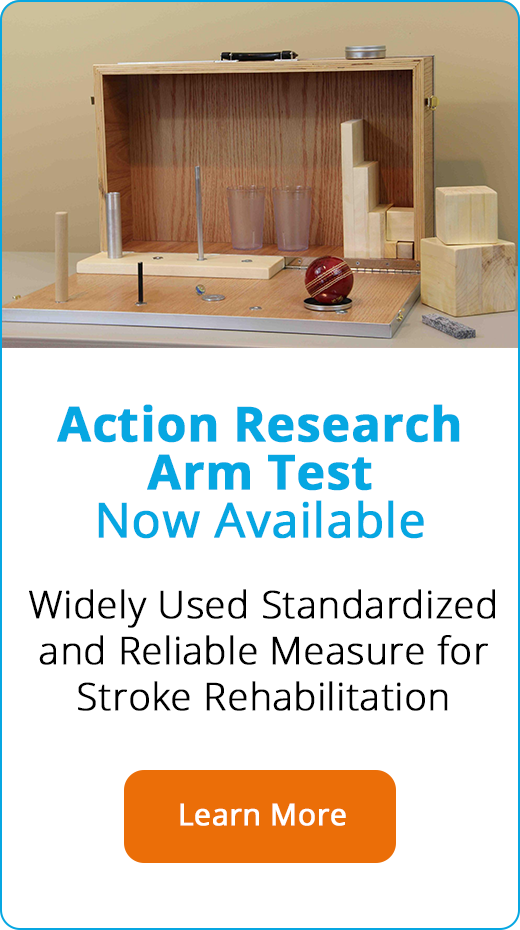
A phase II clinical trial looked at this timing question. Patients in the subacute group (60-90 days post-stroke) scored +6.87 points higher on the Action Research Arm Test than the control group [1]. The acute group improved by +5.25 points, while the chronic group showed no real change [1].
Scientists reviewed charts from 435 patients and found something interesting. Patients who started rehabilitation within 30 days of their first stroke made bigger gains and left the hospital sooner [12]. The differences showed up between patients who started 0-15 and 16-30 days after stroke, and between those who started 16-30 days and 31-60 days later [12].
Risks of too-early high intensity
Starting intensive therapy too soon after stroke might hurt recovery. The large AVERT trial (A Very Early Rehabilitation Trial) surprised everyone with its findings. Patients who started intense therapy within 24 hours actually did worse after three months than those who got standard care [4].
The numbers raised red flags. The death rate by day 14 was 76% higher in the early group compared to usual care [4]. Out of 1048 patients who started very early, 48 died (4.6%). The usual care group lost 32 patients (3.0%) out of 1050 [4]. Most deaths came from stroke progression and pneumonia.
Biology explains these findings. The injured brain might not handle too much demand early on. Animal studies show that hard training too soon can make things worse and even make the stroke damage bigger [1]. Human trials back this up [1].
Regular post-stroke therapy works better than intensive therapy right after stroke [4]. One expert put it simply: early rehabilitation “shouldn’t be super intensive” [4].
The best approach looks at both the brain’s peak learning periods and the risks of pushing too hard too soon. Evidence suggests focusing intensive rehabilitation during that 60-90 day window. That’s when the brain responds best to therapy-induced changes. Earlier and later phases need carefully scaled interventions.
Crossing the Threshold: How Much is Enough?
Finding the right dosage for stroke rehabilitation plays a key role in recovery success. Research shows that patients must cross specific thresholds to activate the brain’s healing mechanisms needed for real functional gains.
Minimum effective dose for motor recovery
New clinical evidence suggests therapy doses should be much higher than current standard practice. Large-scale studies show better outcomes when therapy is intense, frequent, or spans longer periods [13]. Patients with mild-to-moderate impairment show a clear pattern – more training leads to better arm movement quality [14].
A groundbreaking study tracked patients over three weeks of therapy. The group that received 60 hours of treatment showed better arm movement. Their scores were 0.92 points higher on the Motor Activity Log-Quality of Movement scale compared to the control group [14]. The results showed a clear pattern – a positive dose-by-week interaction parameter of 0.0045 [14].
Research points to a threshold of about 2 hours of targeted practice each day. Reviews of stroke rehabilitation studies found that only a few (<13%) reached this 2-hour daily mark [15]. This is a big deal as it means that standard care today falls well below what patients need for the best recovery.
Plateaus and how to break them
Many people misunderstand the idea of hitting a “plateau” in recovery. These apparent stops in progress don’t mean you’ve reached your limit. Instead, they signal that your nervous system has adapted to your current exercises [3].
A detailed review of 14 studies mapped out typical plateau patterns. Patients with severe hemiparesis usually hit their first plateau around 15 weeks after stroke. Those with mild hemiparesis reach it at about 6.5 weeks [16]. But here’s the good news – patients can improve their motor function even 23 years after their stroke [3].
You can push past these plateaus with proven approaches:
- Increasing challenge level: Just like weightlifting, your nerves need progressively tougher challenges [17]
- Altering intervention type: New therapy methods or combining different approaches can wake up different neural pathways [3]
- Technology assistance: Tools like the SaeboGlove help patients practice hand movements they couldn’t do otherwise [3]
Neuroplasticity stroke recovery thresholds
The brain needs specific triggers to rewire itself. A major clinical trial showed that high-intensity walking training (>60% heart rate reserve) worked better than moderate intensity (40-60% heart rate reserve) [18]. After 12 weeks, patients doing intense interval training could walk 71 meters further in 6 minutes. The moderate-intensity group only gained 27 meters [18].
Time matters too, with different goals needing different durations. Patients saw improvements after 4 weeks, but it took 12 weeks to get the best results [18]. Both intensity and duration are crucial factors that need careful planning.
The brain’s rewiring process needs quality practice, not just quantity. Brain scans show that effective high-dose therapies create specific changes. Activity often moves from one side of the brain to the other, and the brain tissue becomes denser in key areas [19]. These physical changes link directly to better function, showing that both how much and how well you practice matter.
Constraint-Induced Movement Therapy as a Model
Constraint-Induced Movement Therapy (CIMT) is the most researched and proven model of high-intensity stroke rehabilitation. It gives us valuable insights about how neuroplasticity principles work in clinical practice.
Principles of CIMT
CIMT uses three basic components that work together to reorganize neural pathways. The first component involves restraint of the less-affected limb with a mitt or sling for 90% of waking hours. This forces patients to rely on their impaired side [7]. The second component uses intensive, repetitive practice with the affected limb—usually six hours daily for two to three weeks [7]. The third component applies a transfer package of behavioral techniques. These techniques help patients use their clinical gains in their daily lives [9].
Dr. Edward Taub developed CIMT’s theoretical foundation to address what he called “learned non-use.” Stroke survivors often stop using their affected limb after feeling frustrated by failure [20]. CIMT reverses this learned behavior through focused, repetitive training under constraints.
Modified CIMT (mCIMT) versions now make clinical treatment more practical while staying effective. These new versions need less restraint time and fewer therapy hours than the original protocol [21]. Research shows these modified versions lead to similar recovery outcomes as the original approach [21].
Why it works for upper limb recovery
CIMT works because it creates measurable changes in the brain. Brain scans show that after CIMT, patients’ bilateral sensorimotor cortex grows larger. These changes directly link to better function [9].
CIMT increases dendritic branching in the motor cortex and improves synaptic transmission in the affected brain half [22]. The hippocampus, which controls learning and memory, also shows more gray matter—a key finding [9].
Strong clinical evidence supports CIMT’s effectiveness. Many high-quality randomized controlled trials show it helps upper limb function [7]. Patients show better motor function, use their arms more, and move with higher quality after CIMT compared to standard therapies [23]. These improvements often last. One study showed patients kept their gains for up to two years after treatment [20].
Lessons for other therapies
CIMT teaches us lessons we can use in other therapy approaches. The focus on intensive, repeated practice shows we need enough repetitions to create meaningful brain changes.
New ideas based on CIMT principles show good results. Group CIMT sessions help patients through peer support and communication. Studies show better outcomes for motor function and independence compared to one-on-one therapy [21]. This suggests social interaction might help brain plasticity.
CIMT works even better when combined with other treatments. Adding trunk restraint stops compensatory movements and leads to better upper limb recovery than just CIMT [21]. Using CIMT with transcranial direct current stimulation improves arm function more than either treatment alone [21].
The most important lesson from CIMT shows that therapy intensity matters more than specific techniques. A study comparing CIMT with equally intensive bilateral treatment showed both improved upper extremity function similarly [24]. This proves that treatment dose drives recovery as much as method. High-dose, targeted practice with feedback remains essential across all rehabilitation approaches.
Innovative Tools to Deliver High-Dose Repetition
Technology breakthroughs have become game-changers that deliver high-repetition therapy needed to trigger neuroplasticity after stroke. These tools help solve a basic challenge – providing enough practice intensity within practical limits.
Robotics and VR for adaptable repetition
Robotic rehabilitation devices reshape the scene in therapy delivery. They provide consistent, precise treatment for long periods and reduce effort for patients and therapists [25]. Upper limb robotic systems showed measurable improvements in arm function for daily living activities. Research proves these systems lead to beneficial brain reorganization [25].
Non-ambulatory patients can now practice complex gait cycles with automated electromechanical gait machines for lower limbs. The repetition rates would be impossible with just therapist assistance [25]. These systems control movement precisely and gather performance data to track progress objectively [25].
Virtual reality technologies work alongside robotics. They create engaging, immersive environments with vital multi-sensory feedback. This feedback helps patients learn new skills, especially those with sensory impairments like proprioception [5]. VR turns basic exercises into stimulating activities that keep patients engaged. This matters because psychological problems often follow stroke [5].
VR and robotic technologies together show remarkable promise. This combination activates more neural circuits involved in motor learning, which enhances neuroplasticity [5]. Research showed that patients who received combined VR-robotic therapy walked faster and farther compared to those who only had robot therapy [5].
BCI and telerehab platforms
Brain-computer interface (BCI) systems open new frontiers by turning neural activity into control signals for external devices [26]. When the system detects motor-related brain signals during attempted movement, feedback devices give live sensory feedback through robotic orthoses or virtual avatars [26].
BCI therapy’s results are impressive. Meta-analysis reveals a standardized mean difference of 0.79 compared to control interventions [26]. Patients with severe paralysis learn to control their ipsilesional sensorimotor rhythm. This creates new rehabilitation possibilities [26].
Telerehabilitation platforms bring therapy beyond clinical settings. They meet the vital need for continued high-dose practice. Patients can now perform hundreds of repetitions daily. This is a big deal as it means that conventional therapy averages of just 32 movements per session [27]. Modern telerehab uses wearable sensors, video conferencing, and gamified exercises. Therapists can monitor and adjust treatment remotely [28].
Tracking and personalizing therapy dose
Digital tracking systems give unprecedented insights into rehabilitation dosage. Near Field Communication technology lets therapists log therapy activities precisely. The system’s easy-to-use interface scores 91.43 on the SUS scale with high user satisfaction [29].
Advanced platforms measure range of motion, strength, and endurance. They automatically adjust difficulty based on performance [2]. Machine learning capabilities help these systems offer individual-specific interventions that increase challenge and complexity progressively [6].
Tracking technologies combined with home-based systems create powerful tools to deliver and monitor high-dose therapy. This could break through traditional dosage barriers in stroke rehabilitation.
Challenges in Implementing High-Dose Rehab
Research strongly supports high-dose rehabilitation, but healthcare providers face many ground challenges that prevent them from widely adopting these methods in clinical settings.
Resource and staffing limitations
The biggest problem is not having enough qualified rehabilitation providers to deliver high-dose therapy. Most rehabilitation spaces lack proper equipment and are overbooked [8]. The situation gets worse with inadequate staffing levels. Some settings report “unbelievable” numbers – more than 70 patients per nurse [30]. Even well-funded healthcare systems provide consistently low rehabilitation therapy doses after stroke. Clinical factors rather than recovery needs determine these doses [31].
The physical setup creates more obstacles. Many facilities have geographical and architectural barriers. Their rehabilitation spaces are small and don’t have the right equipment [8]. These limitations force therapists to focus on mobility issues. They can’t properly address other significant areas like language, cognition, and self-care [8].
Patient fatigue and motivation
Post-stroke fatigue affects between 30-70% of survivors. This creates a major challenge for high-intensity rehabilitation [32]. Patients can’t predict when fatigue will strike. Many say, “You don’t know when it’s going to hit” [1]. Rehabilitation sessions drain their energy. Most patients spend the rest of their day sleeping or resting [1].
Stroke survivors say fatigue makes it hard to participate in therapy and practice independently [1]. They know home exercises help manage fatigue. Yet, they prefer center-based therapy because it offers personal attention and specialized equipment [1].
Insurance and policy barriers
Money stands in the way of implementing high-dose rehabilitation. An ischemic stroke costs about $140,048 over a lifetime. This creates enormous financial pressure [33]. Insurance coverage often limits how much therapy patients can access and for how long.
The numbers tell the story. U.S. patients attend only 31.7 combined occupational and physical therapy sessions within 12 months after stroke [34]. Patients need at least 27-36 treatment hours over 6 weeks to see real benefits [34]. Current insurance rules make it impossible to schedule the 90 or 300 hours of rehabilitation that successful clinical trials use [34].
Long waiting times make everything worse. Patients wait about 2 months to see specialists and 3 months to start therapy [8]. These delays substantially affect early recovery when the brain is most ready to heal.
Designing the Future of Stroke Recovery Programs
Stroke rehabilitation’s future depends on tailoring therapy to each patient’s needs. Modern rehabilitation programs focus on precise approaches that help brain recovery through customized treatments.
Personalized dosing strategies
Recovery from stroke varies substantially among patients. Treatment plans now take into account each patient’s specific limitations to set the right goals and adjust intensity [35]. Studies at the time show that doctors should think over both age and time since stroke onset to find suitable candidates for mesenchymal stem cell therapy [36]. Patient characteristics and specialized knowledge must drive decisions about treatment doses [37].
Combining modalities for better outcomes
Multimodal interventions work better than single-approach methods because they engage patients’ physical, sensory, cognitive, and social abilities all at once. Robot-assisted therapy combined with virtual reality shows remarkable results for shoulder and wrist function improvement [12]. Patients who receive both immersion therapy and robotic assistance show better control over their walking [38]. The combination of rTMS and tDCS helps improve upper limb motor function more than using either method by itself [39].
Using biomarkers to guide therapy
Advanced biomarker technology leads the way in tailored stroke rehabilitation. These precision medicine tools help doctors create optimal treatment plans based on individual patient traits [40]. Blood biomarkers like GFAP, NfL, and BD-Tau teach us about brain damage and help predict recovery paths [41]. The most powerful evidence comes from combining clinical assessment with transcranial magnetic stimulation, which can predict arm function recovery with 88% accuracy [40].
Conclusion
Scientific evidence shows high-dose repetition therapy is the life-blood of effective stroke rehabilitation. This therapy activates neuroplastic mechanisms in the brain. Standard therapy methods don’t provide enough intensity to trigger meaningful neural reorganization. Stroke survivors need hundreds of daily repetitions instead of the few dozen they get in standard care.
The brain responds better to therapy during specific time windows. Patients who receive intensive rehabilitation during the 60-90 day post-stroke period show much better functional improvements than those who start earlier or later.
Recovery depends on crossing specific intensity thresholds. Patients must reach these thresholds to activate their brain’s neuroplastic mechanisms. Research suggests patients need at least two hours of targeted practice daily. What many see as recovery plateaus often results from not getting enough therapy rather than hitting actual recovery limits.
Constraint-Induced Movement Therapy (CIMT) puts these principles into action through high-intensity rehabilitation. CIMT works remarkably well by restraining the unaffected limb and using intensive practice schedules. The therapy also uses behavioral techniques that help transfer skills to daily activities. These methods work well with many rehabilitation approaches.
Technology helps solve the practical challenges of delivering high-dose therapy. Robotic devices, virtual reality, brain-computer interfaces, and telerehabilitation platforms help patients reach their needed repetition thresholds. These tools help overcome resource limitations. In spite of that, major barriers exist – including staff shortages, patient fatigue, and insurance limits.
The future points to personalized dosing strategies based on each patient’s characteristics. Programs that combine multiple therapy types show better outcomes than single-therapy approaches. Biomarkers also help guide therapy decisions, which lets clinicians predict recovery paths and improve treatment strategies.
Without doubt, stroke rehabilitation needs to move beyond standard care models that don’t provide enough therapy. Better stroke recovery depends on turning neuroplasticity research into practical, high-intensity rehabilitation methods that work in healthcare settings of all sizes. The challenges remain big, but high-dose repetition therapy has shown a clear path to dramatically better outcomes.
Key Takeaways
High-dose repetition therapy represents a paradigm shift in stroke rehabilitation, leveraging neuroplasticity principles to achieve dramatically better recovery outcomes than conventional approaches.
• Therapy dose matters more than technique: Patients need hundreds of daily repetitions—not the typical 32 movements per session—to trigger meaningful neuroplastic changes and functional recovery.
• Timing is critical for maximum benefit: The 60-90 day window post-stroke offers optimal neuroplasticity, with intensive therapy during this period producing substantially greater improvements than early or late intervention.
• Current care falls 240% short of effective doses: Evidence shows patients require approximately 2 hours of daily targeted practice, yet standard rehabilitation delivers less than 8 minutes of upper limb therapy daily.
• Technology enables scalable high-dose delivery: Robotic devices, VR systems, and telerehabilitation platforms can provide the intensive repetition needed while overcoming traditional staffing and resource limitations.
• Recovery plateaus often signal inadequate intensity: Rather than true endpoints, plateaus typically indicate the nervous system has adapted to current therapy levels—patients can regain function even decades after stroke with proper intervention.
The evidence is clear: stroke rehabilitation must evolve beyond conventional low-dose approaches to harness the brain’s remarkable capacity for recovery through properly targeted, high-intensity neuroplastic training.
Leave a Reply
You must be logged in to post a comment.